Casablanca

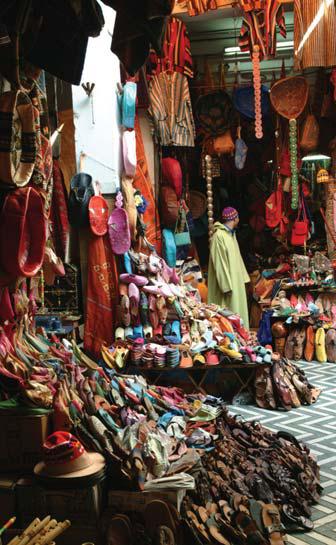
Casablanca: These days when people think of Morocco, they conjure up images of quaint riad hotels set deep in the medina of Marrakech, Meknes or Fès. They think of desert camel rides, of spices laden high on market stalls, of horse-drawn carriages moving through the yellow evening light. Ask someone if they have ever visited the coastal city of Casablanca, and they are likely to stick their nose haughtily in the air and declare, ‘That’s not real Morocco!’ Nothing could be farther from the truth. Without Casablanca (pronounced by locals as ‘Caza’), Morocco would quickly grind to a halt. It’s an economic engine that powers the life in the cities and the mountains, in the deserts and along the shores. I was first drawn to the city because it is so despised by foreigners. Wander the streets or pause in the shaded cafés on the long afternoons, and you won’t ever see a tourist – guaranteed. Casablanca is unwieldy and sprawling, and it keeps up with the times. But it’s built on a bedrock of tradition. Life there is more Moroccan than almost anywhere else. This may sound strange to anyone who knows their history. Although the first community was established by the Phoenicians in the suburb of Anfa, modern Casablanca was built by the French early in the twentieth century. They planned it as a showcase of imperial Gallic architecture – sweeping art deco boulevards lined with palm trees and fabulous villas, avenues of domed apartment blocks, gleaming in the coastal light. But scratch the surface and you find that Casablanca is a melting pot of people, drawn from all corners of the kingdom. Lured by the prospect of work and a good life, Casawis, as they are known, represent almost every hamlet, village, town and city of the country.
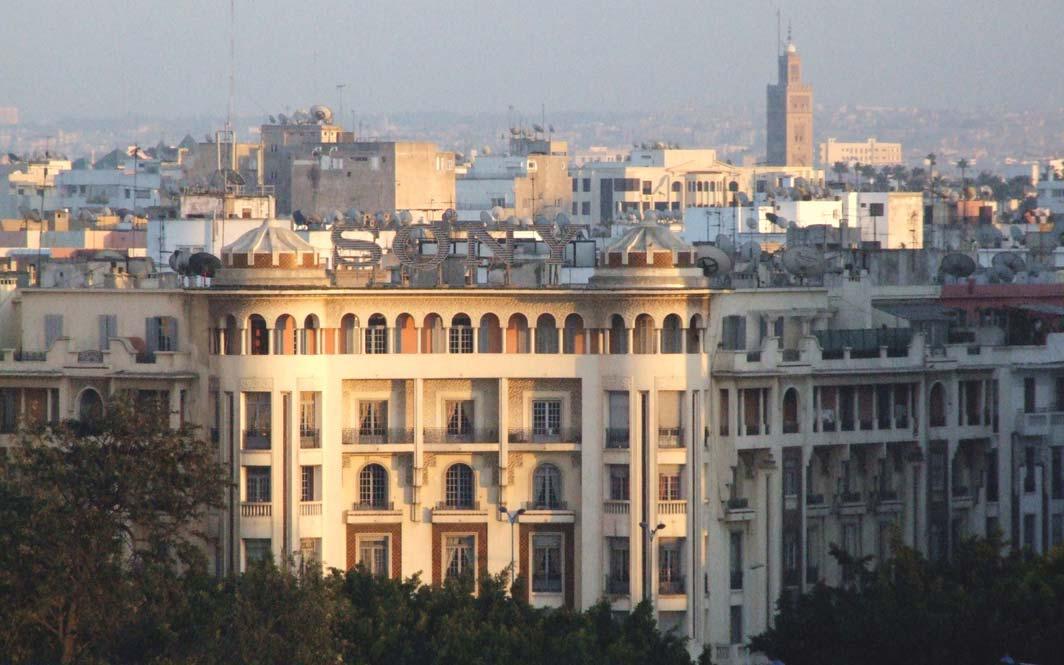
As a result, the spirit of the place is charged with the best that Morocco has to offer, and it overflows with traditional belief. There is no better way to tap into the underbelly of a place than to renovate a house. It’s a feat of endurance, a love affair that usually begins with a brief encounter. My love affair with Casablanca began when I bought a large rambling villa named Dar Khalifa – literally The Caliph’s House. Perched on the western edge of town, a stone’s throw from the crashing Atlantic waves, it was more than just an empty building. It was a place of mystery, a home with a soul.The three guardians who came with the property, as if by some medieval right of sale, told me that the mansion had lain uninhabited for almost a decade. In Europe, a boarded up house might attract squatters, but in Morocco such a place is a magnate for jinns. Muslims believe that when God created man from clay, He also fashioned another species from smokeless fire. Known as jinns, genies or jnun, these spirit-people live in a parallel world laid atop our own. Like us, they are born, they get married and die;but, unlike man, they can be visible or invisible and can transmute into any form they wish. Through the many dark months of renovation, I explored every corner of the city, in a search for master craftsmen, for antique furniture, and for witches to exorcise the legion of malevolent jinns. The city’s endless suburbs team with skilled people and with objets d’art.
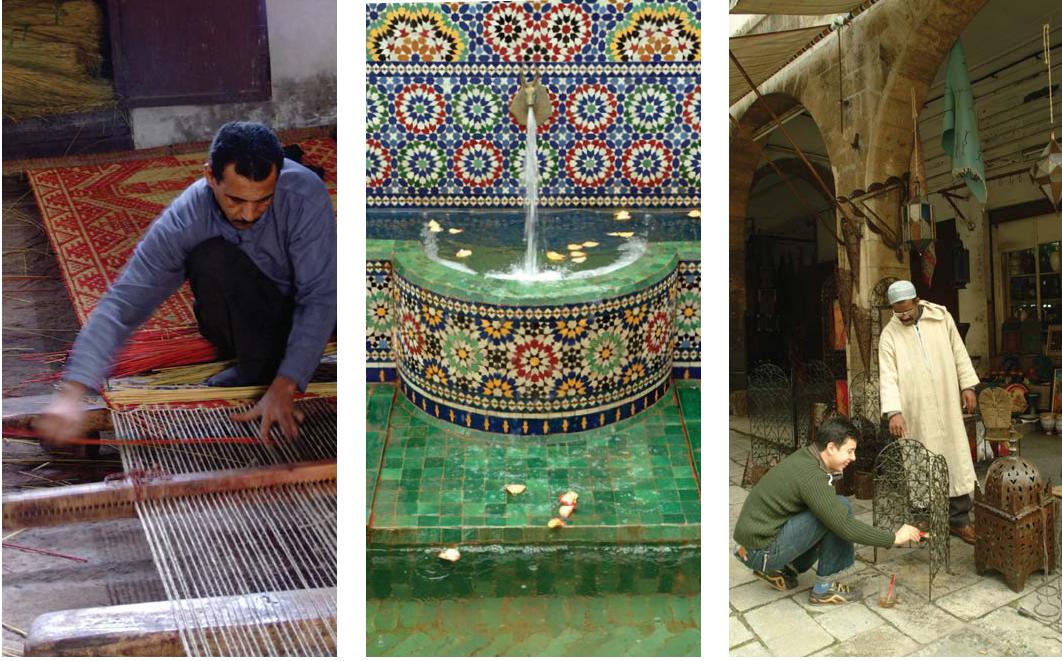
At Ain Chock, I came upon a team of zelijiers, artisans who hand-cut mosaics in a thousand different shapes. In the vast junkyard at Derb Ghalif, I found mountains of architectural salvage from the French era – doorways and stained glass panels, carved bronze doorknobs and exquisite roll top baths. And on an outcrop of rocks in the sea, I happened upon the shrine of the Sufi Saint Abdur Rahman. Clustered there in a honeycomb of rooms live a sorority of witches and clairvoyants, whose sinister skills link them to the underworld. If Casablanca is beneath my feet, I know there’s not going to be a dull moment in the day. But this morning I was introduced to an English businessman who has lived there for three years or more. His face was tired, his shoulders rounded with boredom. He said that the city was a place of tedium, devoid of life. I told him about the junkyards, the witches and the dogs. He wondered if we were talking about the same Casablanca. I smiled because I knew we were. Sometimes there’s a world waiting to be seen right before you, but to appreciate it you must see it with fresh eyes.

Hotels and Resorts in Casablanca

  • Hyatt Regency Film buffs with a strong sense of irony might like to check out the so-called Rick’s Bar, where the waiters take your (very expensive) drinks orders dressed in trenchcoats and fedoras.
  • Kenzi Basma Located in the heart of the city centre, this hotel has a distinct European flavour to it, making it an ideal choice for the business traveller.
  • Hotel Bellerive With views over the mighty Atlantic, the Bellerive is situated in a prime spot on the Corniche – one of the liveliest areas of the city, close to the Hassan II Grand Mosque.
  • Le Royal Mansour Meridien Combining the charm of a grand European hotel with Moroccan hospitality, the Royal Mansour has long held a reputation for excellence and elegance. Positioned in the very centre of Casablanca’s main shopping and business centre, the hotel boasts views of the Hassan II Grand Mosque.
  • Club Val D´Anfa Set among gardens that lead directly onto the beach, in Casablanca’s Corniche area. Guests can enjoy relaxing beside the outdoor pool, in the sauna, or with a massage during the day, and head to the bar for live music in the evening.
  • Sheraton Casablanca Hotel and Towers A large chain hotel in the heart of the city, fully equipped for business travellers with wireless internet, dual-line phones and writing desks. And when you’re done working in the mobile office, you can work out in the well-equipped gym.

Top destinations in Casablanca
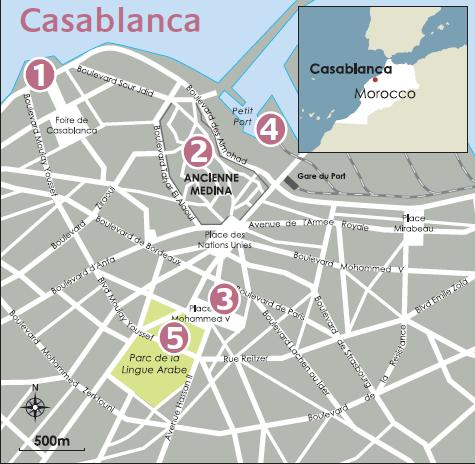
  1. Hassan II Mosque Looking out to the Atlantic, this imposing mosque is one of the largest in the Islamic world. It has space for 100,000 worshippers, but is best known for its majestic 200-metre-high minaret.
  2. The Old Medina Partly enclosed by the restored city wall, this area is a maze of narrow streets lined with bustling stalls and shops selling snacks and local bargains.
  3. Place Mohammed V This pleasant square, flanked by grandand majestic white government buildings constructed in the distinct French colonial style, offers respite in the heart of the city.
  4. The Port A fascinating cornucopia of sturdy oil tankers, modern cruise liners, pleasure boats and local fishing vessels, fill the deepwater quays of Casablanca’s port, the largest of the Maghreb.
  5. Parc De La Ligue Arabe The city’s largest public park is the Cathedrale du Sacré Coeur, eerily disused, but still a splendid example of Mauresque architecture.
Edinburgh

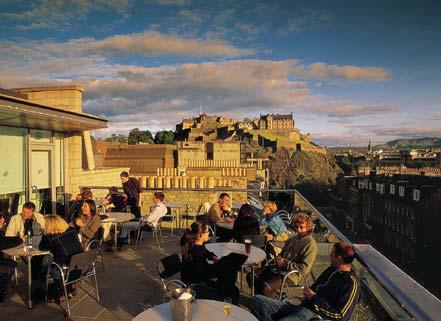
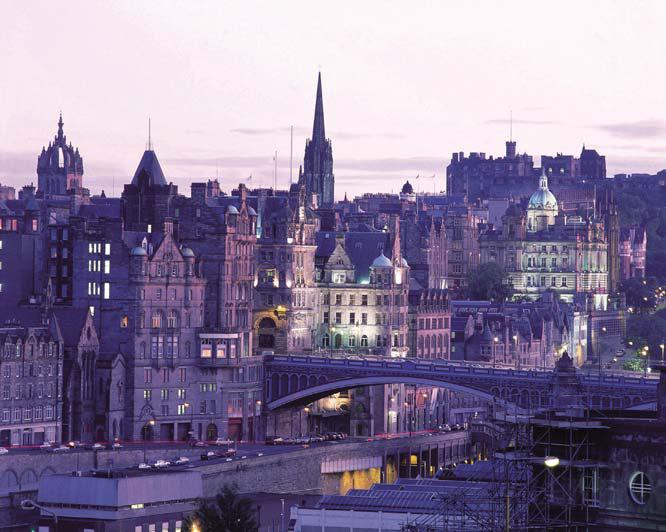
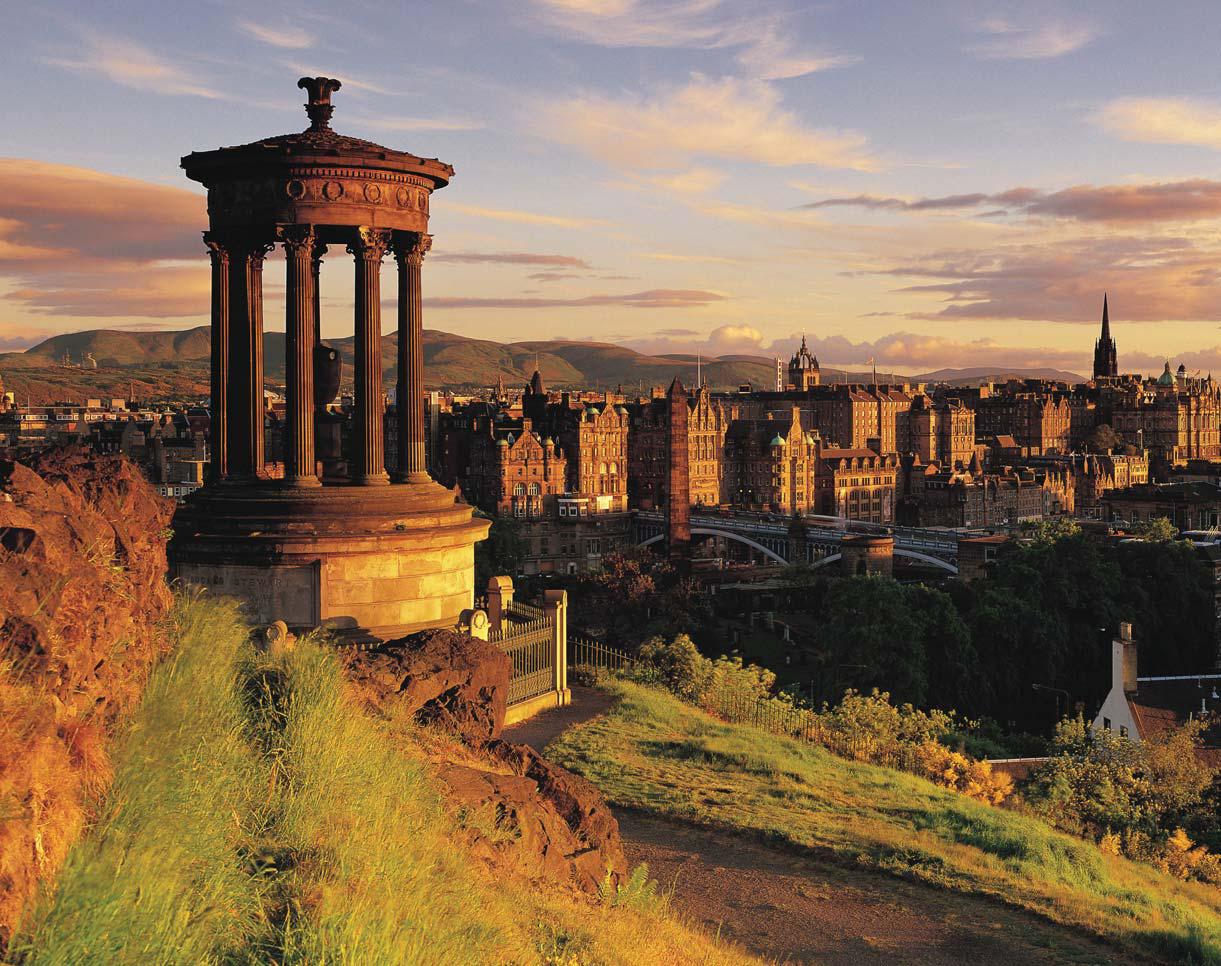
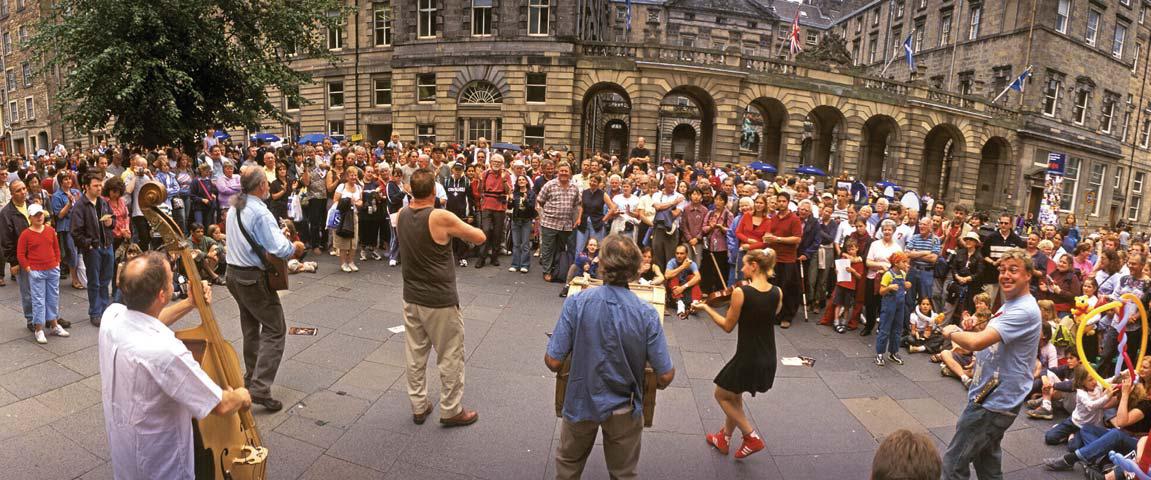
Edingburgh often comes as a surprise to visitors. It may be a British city, just over four hours by train from London, yet it is strikingly different from just about every other city in the United Kingdom. As Robert Louis Stevenson, one of its best-known writers, once wrote, it is a ‘profusion of eccentricities, a dream in masonry’. Yet it is not one of those cities that has become a theme park, a fate that hovers over towns that are too pretty for their own good; Edinburgh is very much a lived-in city, one of the most vibrant and exciting places in the world, home to the world’s biggest arts festival, one of the most important financial centres in Europe, and a place of science. And, to top it all, it is a city of great character, that sometimes unidentifiable quality that is becoming increasingly elusive in our globalised world. At the time when Mary Queen of Scots occupied Holyrood Palace, Edinburgh was not much more than a cluster of unsanitary buildings running down from the Castle to the palace. Mary was one of the most intriguing and romantic of monarchs, and those who are interested in the turbulent history of her reign will find much to see in Edinburgh.

A short walk down the Royal Mile takes one past the site of the old Scottish Parliament to the house of the Scottish religious reformer, John Knox, who harangued Mary for her Roman Catholicism, but who still admired the character and strength of this ill-fated queen. A further walk leads past the new Scottish Parliament, where the same feisty tradition of Scottish rhetoric continues, and on to Holyrood itself, where one can see the chamber where Mary’s husband, the young and handsome Lord Darnley, assisted in the murder of her Italian secretary in the middle of an intimate dinner party that the Queen was holding – not the most successful of Edinburgh dinner parties, one would have thought. But Edinburgh’s history is not just one of intrigue and dark deeds. This may be the city of Burke and Hare, the famous murderers who so selflessly helped Scottish anatomists to further the city’s reputation for medical education: it is also the city of the Scottish Enlightenment, that extraordinary flowering of the intellect in the seventeenth century that resulted in Edinburgh’s becoming the European centre for philosophy and the newly-emerging social was said that one could stand at a point in the centre of Edinburgh and shake hands with 50 men of genius as they passed by.

That suggests a somewhat huddled metropolis, and it was to escape this concentration of people in the Old Town that the city decided in the second half of the eighteenth century to cross the Nor’ Loch and expand to the north. The result was Craig’s splendid New Town, a great swathe of classical architecture laid out in handsome squares, crescents and roads. And this, to Edinburgh’s great good fortune, survives, and is still lived in and worked in to this day. Although the New Town expanded the city, it did not destroy its fundamentally intimate nature. Even today you can walk from one side of the city to the other without risking exhaustion, and, if one lives here, that walk will probably involve seeing faces that you know. For Edinburgh still has a strong sense of civic identity; as Jean Brodie reminds her young charges in Muriel Spark’s great portrait of a spinster schoolmistress of the 1930s, those who live here are citizens of the city. For the literary traveller, Edinburgh is particularly rewarding. Robert Burns, by far and away the bestknown of Scotland’s poets, lived in Edinburgh for a while, and if one goes to the interesting Canongate Kirk (the Parish church of Holyrood Palace) one can see the gravestone that Burns erected in memory of Robert Ferguson, another eighteenth- century Edinburgh poet whose work inspired Burns himself. And there are other landmarks of literature. Poking up from Princes Street Gardens, not far from the National Gallery of Scotland, is the Scott Monument, one of those peculiar, spiky Victorian structures that does very little other than provide elaborate shelter for a statue.

It reminds one that this is the city of Walter Scott, that energetic writer who inspired an entire generation with enthusiasm for the romantic Scotland of Rob Roy, Redgauntlet and all the rest. Then there was Stevenson, whose house in Heriot Row in the New Town may still be seen and, on occasion, visited; and Compton Mackenzie, author of Whisky Galore, who lived around the corner in Drummond Place. Scottish literary figures have a reputation for enjoying whisky, and there are a number of literary pubs in Edinburgh, including Milne’s Bar, where Hugh Macdiarmid gathered with his friends, and the Oxford Bar, where Inspector Rebus, the hero of Ian Rankin’s popular detective novels, drank to drown his various sorrows. And if that is not enough whisky, your final port of call might be the Scotch Whisky Heritage Centre near the Castle. Or perhaps your penultimate port of call: dinner will be needed, and the fact that Edinburgh is said to have more restaurants per inhabitant than anywhere else in the United Kingdom means that the choice is a wide one. For a real treat, try Prestonfield House, where peacocks strut the grounds and the strain of the bagpipes is often to be heard. Romantic? Of course. And why not ? This is, after all, a very special city.

Where to stay

  • The Glasshouse Boutique hotel in the heart of Edinburgh, a fusion of centuries-old and cutting edge-new, and the trendiest place to lay your hat. With plenty of sunny patios and verandas, its highlight is the lavender-scented roof garden.
  • Prestonfield Sumptuous hotel, chock full of antique four-poster beds and lavish decorations, with plenty of hi-technology discreetly hidden away. Voted the AA’s Hotel of the Year for Scotland and Northern Ireland 2005.
  • Apex City Hotel Chic and contemporary hotel located in the heart of the old town, with spectacular views of the castle. The Royal Mile, Holyrood House, and Princes Street are on the doorstep.
  • The Scotsman This conversion of the old Scotsman newspaper building retained the beautiful wooden panelling of the old reception area to become the bar and brasserie, and the marble staircase that leads to utterly gorgeous bedrooms upstairs.
  • The Witchery Seven theatrical and opulent suites in a collection of historic buildings near Princes Gate, offering the most luxurious and indulgent of stays. Dannii Minogue called this place ‘the perfect lust-den’.
  • Balmoral Another five-star hotel with landmarks on its doorstep – but this doorstep is a landmark in itself. The rooms are modern and stylish, and there is a choice of restaurants, between Michelin-starred Number One, Hadrian’s, a brasserie, and the Palm Court for cocktails.

Edinburgh Top sites

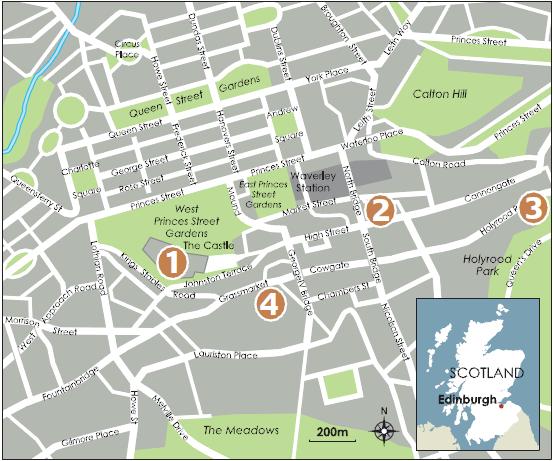
  1. The Castle This Edinburgh landmark dominates the city it looks down upon. Only reachable from one direction, its position on the rocky outcrop has kept it protected for over 1,000 years.#
  2. The Royal Mile This route links the castle to The Palace of Holyroodhouse, taking you past John Knox’s house, St Giles’ Cathedral and Parliament Square.
  3. Palace of Holyroodhouse & Holyrood Park The Queen’s official residence in Scotland, dating from 1128. Next door is the park, where Arthur’s Seat, an extinct volcano, gives unparalleled views of the city.
  4. Museum of Scotland The story of the land, people and culture of Scotland is told through the museum’s
    rich collections. The museum itself is a fine piece of modern architecture, built from golden sandstone.
  5. Royal Yasht Britannia (not on map) Having sailed a million miles, Britannia now rests in the port of Leith.

Shanghai

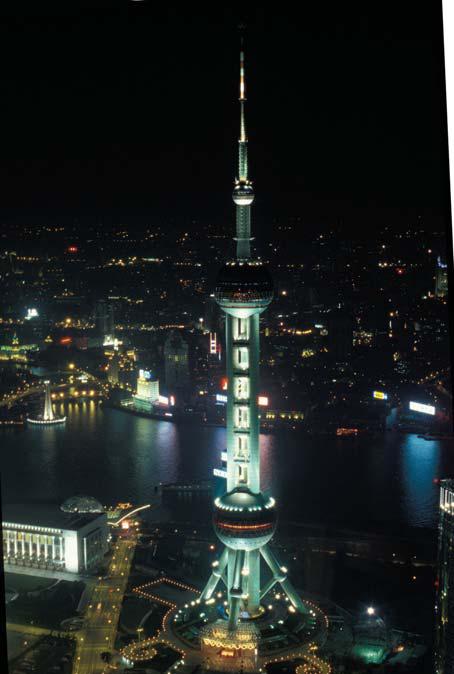
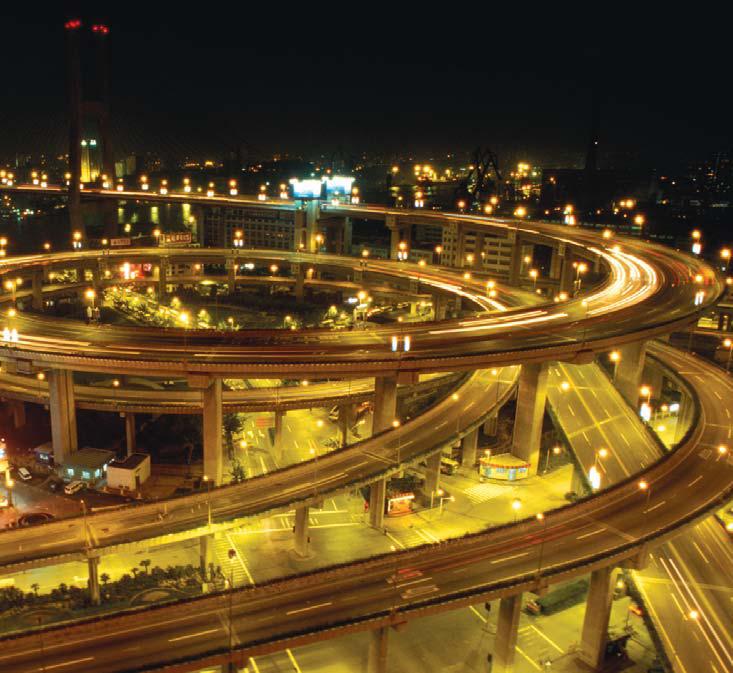
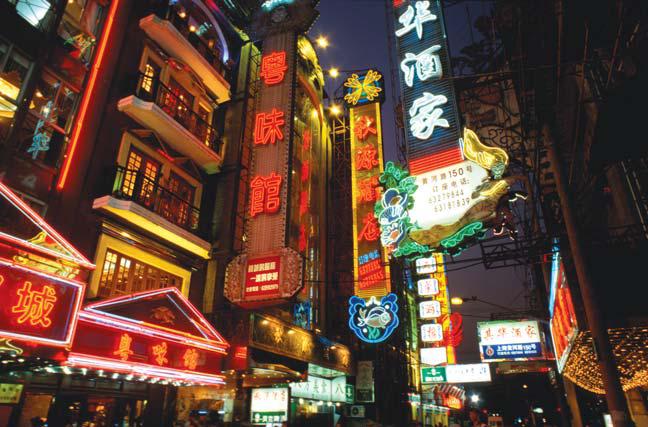
Shanghai´s modern skyline would be recognised immediately by Buck Rogers: its soaring and preposterously capped skyscrapers look like they’ve been designed en masse by a comic-book illustrator from the 1950s. It is, quite simply, a twenty-first-century futurama of architecture that is both beautiful and ugly. Nothing epitomises this better than the Oriental Pearl TV Tower – a building of such cartoonish proportions that it looks set to take off once its engines are warmed up. The equally outlandish Grand Hyatt Hotel, in the Jinmao tower, might also be preparing for countdown. This sci-fi hostelry has an iconic atrium that soars more than 30 stories: but rather than elicit architectural awe, I found the vertiginous drop nauseous. A head for heights is essential in this brave new world. At night the city becomes even more futuristic. Electronic billboards 50 storeys high radiate colossal messages to the 22 million people down below. Skyscrapers attempt to outshine each other with super-lurid illuminations, and their constant fluorescent blinking puts Piccadilly Circus and Times Square to shame. Even though the city is so vast, it’s easy to get the hang of Shanghai. The aerial roads that interlace it are more super-highways than flyovers, and offer an oddly detached view of the busy streets below.

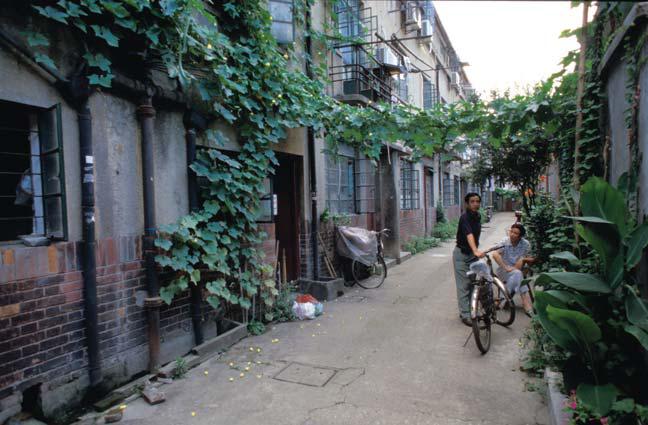
The immense Nanpu Bridge curls like a giant watch-spring on each side of Shanghai’s main artery (it is the only span that crosses the Huangpu River). A garish tourist tunnel on the Bund promises all sorts of silly adventure underneath the water: but instead I took the commuter ferry for two yuan (somewhere in the region of seven pence) across the water, and marvelled at the sheer scale of this place. It struck me that the city is essentially about contrast: day and night, extraordinary wealth and solid utility. Neon-lit massage parlours and beauty salons in the French Quarter evoked a seediness and decadence that I found enticing. Blind masseurs gave an agonising foot massage for just a few pounds; while in the Saladin Club, rent boys played cards and vied for an altogether more expensive trade. Outside, broad avenues, narrow streets and winding alleys belong to the romantic Shanghai of the 1930s that Charlie Chaplain and Noel Coward would have known. Art deco mansions and occasional Edwardian suburban houses, left by expats decades ago, looked faintly incongruous. Laundry tied between balconies and trees on criss-crossed sticks was like so many fabric mobiles, and the complicated webbing of phonewires and electric tram cables only added to the glorious visual confusion. Perhaps fusion is the key. I saw a Prosperity God beaming from a shop window: but this golden statue owed as much to Father Christmas’s well-padded figure as to more local styles. Here two distinct cultures were simultaneously (if unintentionally) encapsulated – East and West – in a God for all seasons.

Likewise, urban fashions embrace the latest in microfibre sportswear and traditional silk cheongsams: the girls in Shanghai look sleek and chic in both. Some sport punkish hairstyles, others classical black bobs. Beneath the bright lights, but still central to the city, is Yuyuan district, another intriguing ward in this charismatic sprawl, and something of a time slip. Here the lights are dim and byways mysterious. I sat in a simple steam-food restaurant packed with locals, and feasted from an aluminium cauldron filled with chilli chicken. As I neared the bottom of the pot, a child topped it up with hot water, making a soup into which I threw mushrooms, herbs and noodles. A bottle of Beijing Two Pot – liquor that is a startling 55 per cent proof – was the perfect, if somewhat potent accompaniment to a meal that cost not much more than a pound. I stumbled back to my hotel, another exotic cloud-grazer near the Bund. The Westin Shanghai typifies this city of extremes. Its enormous cantilevered glass staircase dominates acres of marble flooring in the lobby, which is a place staffed with improbably beautiful people. Cocooned on the twenty-sixth floor in understated luxury, I imagined an origami expert had made up the bed and a feng shui specialist had arranged my tatty luggage exquisitely on the low mahogany table. This is the type of glamour that only serious money can buy. It would cost something in the region of a month-and-a-half’s typical salary (about 5,000 yuan) for an ordinary Shanghai resident to stay here for one night. The Fake Market still continues to ply its designer contraband.

Even though the superpowered luxury-goods conglomerates have threatened to bankrupt the traders and close the place down, here racketeering flourishes. The amazing hustle and hassle of the placewas punctuated by surreptitious petitions – “Watches, bags, DVDs?” – which became a constant mantra from spivs clad in dodgy Burberry macs. Mont Blanc pens were sold wholesale – a fiver could bag you a dozen –and bogus Gucci sunglasses were virtually given away. One enterprising old man attempted to drag me to his stall, muttering: “Ming dynasty, cheapy-cheap.” It was hard to resist such blatant chicanery. But no visit to this exciting uber-city would be complete without a trip on the Germandesigned and Chinese-built Maglev (short for Magnetic Levitation Railway). This is the fastest commercially operated train on the planet,
whisking passengers from the airport at over 430 kilometres per hour, in a little under eight minutes. I met one man who regularly took a taxi to the airport just so he could take the space-age ride back into town.
After all of this, London felt crushingly Third-World on my return.

Where to stay

  • Grand Hyatt The tallest hotel in the world, occupying the top 34 floors of the 88-storey Jinmao Tower, in the heart of Shanghai’s financial centre. It has a stunning sci-fi central atrium and 555 spacious guest rooms and suites, which afford superb views of the city.
  • Four Seasons Hotel Situated in downtown Shanghai, close to the most prominent shopping districts, the hotel provides excellent service and everything else you’d expect from the chain.
  • Pudong Shangri-La Sited along the beautiful Huangpu River, it offers great views of the riverfront, the Bund and the Oriental Pearl TV Tower. It has spacious rooms and a range of trendsetting designer restaurants and bars, together with a fitness centre, swimming pool and spa.
  • JC Mandarin Offers the best of modern comfort and convenience, international gourmet cuisine, stylish meeting rooms, tennis courts and a spa.
  • Central Hotel Shanghai Located in the heart of the city, a stone’s throw from major attractions such as the Century Square, the Grand Theatre and the Shanghai Museum. The rooms are decorated in Western style.
  • Panorama Century Court Close to the bank of the Huangpu River, this hotel offers luxurious flats and elegantly furnished bedrooms in all classes.
  • Shanghai Jin Jiang Tower Conveniently located in the commercial district, this 43-storey hotel comprises three European-style buildings, surrounded by gardens.

Shanghai Top sites

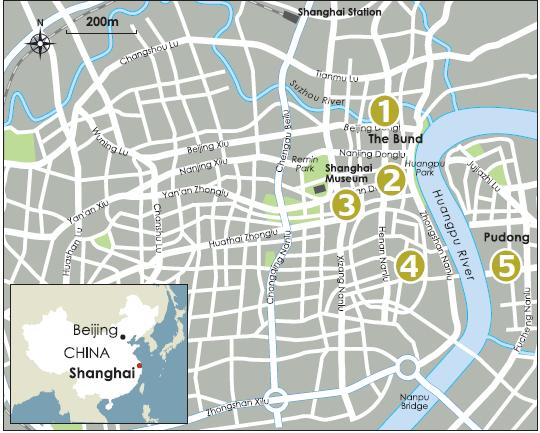
  1. The Bund Shanghai’s most famous landmark, this curving promenade running parallel with the Huangpu River is lined with grand buildings from the Imperial past.
  2. Nanjing Donglu Formerly housing the city’s most exclusive brothels, this glitzy thoroughfare is one
    of China’s busiest shopping streets.
  3. Shanghai Museum Excellent exhibits of Chinese art and culture, from ceramics to sculpture.
  4. Old Town The alleyways, quaint shops and makeshift markets provide a pleasant contrast to the Bund. It
    includes the resplendent Yu Gardens, featuring pretty walkways, bridges, rockeries and carp-filled lotus ponds.
  5. Pudong The city’s spanking new economic area, east of the Huangpu River, which has sprung up in a decade. It includes such architectural feats as the Jinmao Tower, currently China’s tallest building – until the World Financial Center next door is completed in 2007.

Tokyo

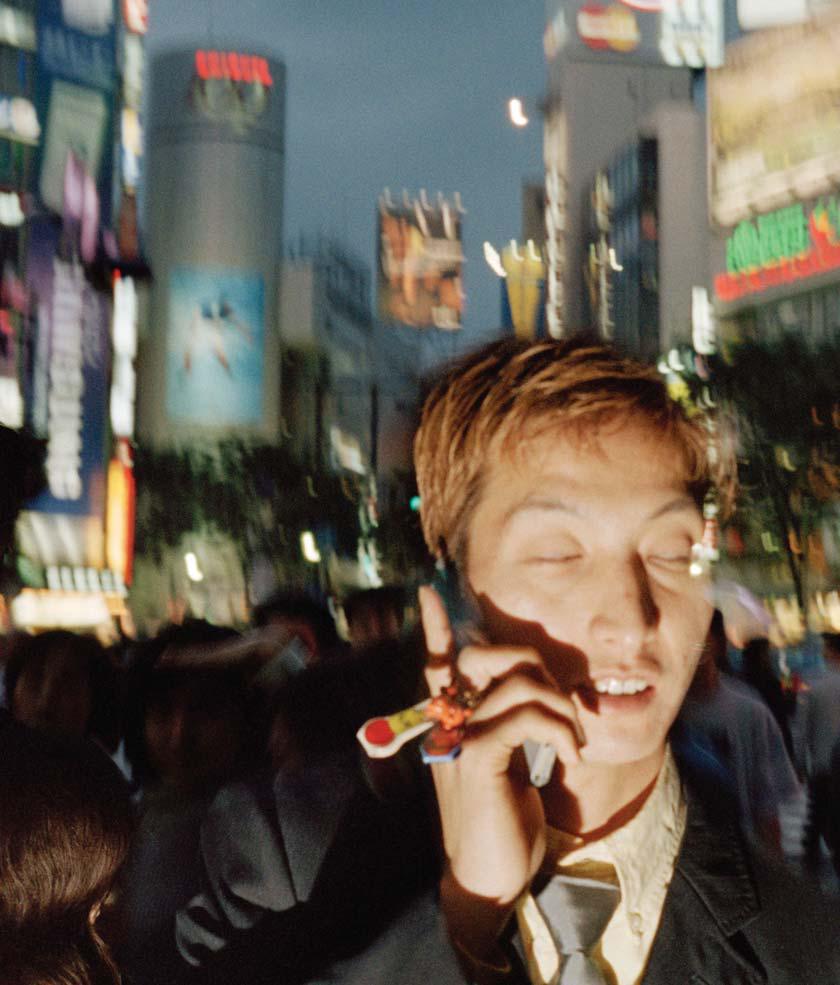
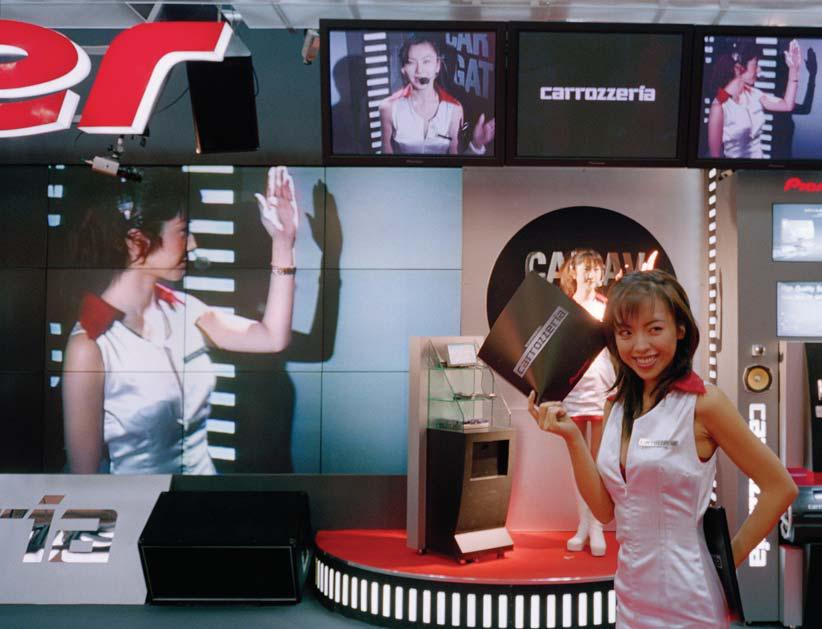
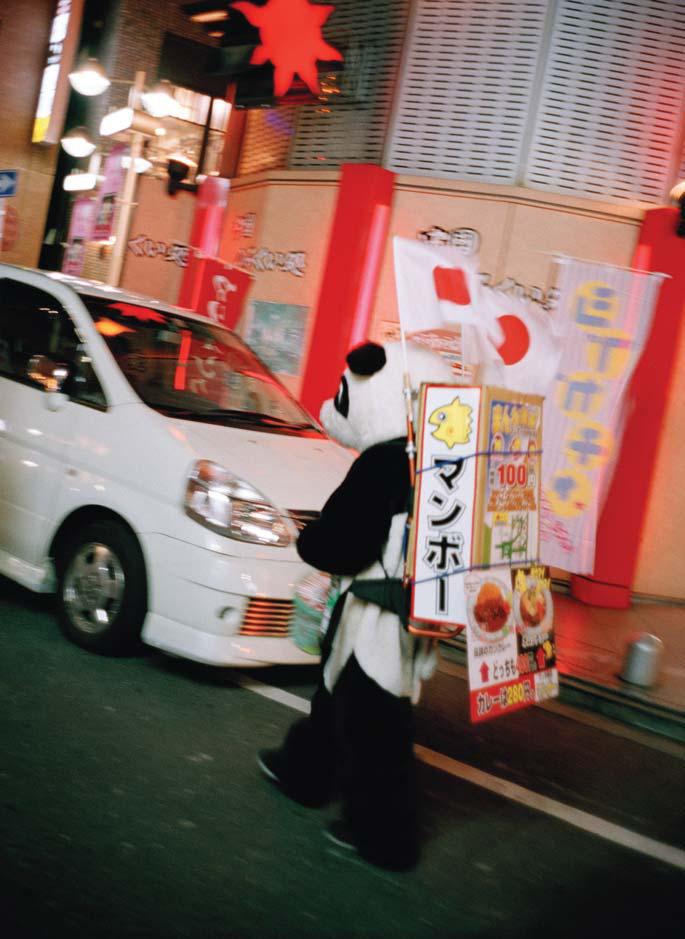
The station sign on the unfashionable side of Tokyo Station is one of my favorite things about the city. The sign is simple and nondescript, just a handful of letters tacked low on the station facade. Utilitarian and humble, it looks as if it might have come from a different time and country. It’s an apt welcome to a city that contains a multitude of times and places; a city that wears a hundred different versions of itself, versions that follow upon other versions, like variations on a theme long forgotten. As if the city were subject to mood changes, the temperature of the place shifts from one moment to the next, and spending a day in Tokyo can sometimes feel like galloping after a rapidly shifting, eternally elusive daydream of a city. Anybody who has visited Tokyo will know that it can sometimes be a hard city to see. A hard city to see because it is steeped in ideas of the past and present and future; a hard city to see for maybe more literal reasons, because of the flow of its architecture, the distillation of sunlight bouncing from building to building, an alchemy of angle and perspective that is difficult to articulate. And, sometimes, it seems as if it’s a hard city to see simply because there are so many different dreams floating across its countenance. Tokyo carries a lot of dreams, and as with any cosmopolitan city, the people who come to the city are the carriers of that dreaming.

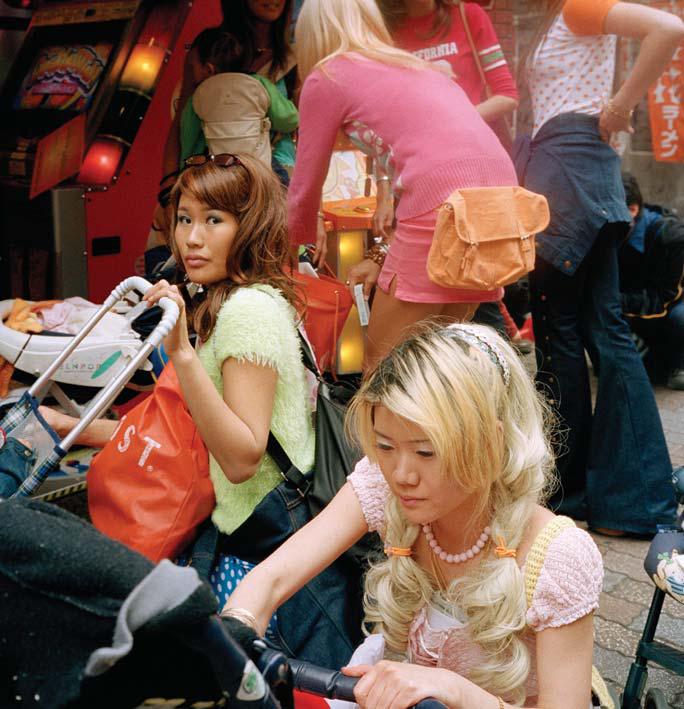
My mother always says that nobody is really from Tokyo, and one of the first things that strikes me whenever I’m there is the way that the Japanese spoken in the city is typically without accent, as if every newcomer had prepared for their arrival by hammering out any audible traces of the region from which they arrived. Each person who comes to the city arrives with their own version of Tokyo to pursue, and it is maybe that sense of hopeful ambition and driven necessity that transforms the visitor into the city native. But this is just to say that people come to Tokyo to enact a certain version of themselves, and in this sense the very multiplicity of the city can be seen most clearly in the capital’s inhabitants themselves. Look at the city streets and you will see young boys and girls dressed in outlandish outfits, costumes more than outfits, Raggedy Ann and Elvis and Alice In Wonderland appearing on street corners, chatting with friends or bent over their mobile phones. Turn the corner and you’ll see a flock of suited businessmen, their anonymous uniform performing a function not unlike the costumes of their youthful counterparts; in both cases there is an element of theatre, of self-invention and disguise. I love people-watching in Tokyo, on the streets and in cafes and shops.

There is something intoxicating about the vivid cacophony of character and display. But I also love those parts of Tokyo that are more anonymous, and seemingly devoid of personality. I like the great wide streets you will sometimes find, in areas as unlikely as Shinjuku, unexpectedly emptied of pedestrians. I like the barren desolateness of the new developments in Tokyo Harbor, mammoth projects in various stages of incompletion. I like these places not just because they are the opposite of the many received images of Tokyo – as a bustling metropolis, as a futuristic techno dreamland – but also because in some ways they provide a very honest sense of the city. It’s a version of the city that is quiet, a little lonely, and in a perennial state of incompletion and uncertainty. It’s a version that exists behind the wild costumes and the uniform suits, beneath the confident bustle and the tremendous sense of productivity; it’s a version that can be drawn through the whole of the diverse landscape of the place.

I think probably there are plenty of people who are born-and-bred Tokyo dwellers – my mother’s whole side of the family, for example, have always lived in the city – but I like the way the city accommodates that feeling of transience and uncertainty, blankness and anonymity. I like the fact that while people all around the world have the city pinned down as the place where ‘the future is happening now’, most of the people in Tokyo are more concerned with navigating the present. But that, of course, is always what has made the city and its inhabitants so alluring, from the outside: the nonchalance with which Tokyo natives inhabit this brave new world of futuristic technology and convenience. The dreamer who doesn’t see the dream – that’s probably why the idea of Tokyo continues to hold fast in our imagination, a perpetually
elusive wonderland.

Where to Stay

  • Park Hyatt The setting for Lost In Translation, this luxurious hotel occupies the top 14 floors of the Shinjuk Park Tower. Its stylish rooms afford breathtaking views of the city and Yoyogi Park, while great views can also be had from the New York Bar, where international artists perform live jazz.
  • The Conrad There are 290 rooms and suites in this ultra-lavish hotel close to Ginza district, with panoramic views.
  • Park Hotel Situated in the Shidome Media Tower, this was the first hotel in the city to join the Design Hotels group. It offers 274 individually designed and decorated modern rooms, and professional pillow-fitting staff to ensure you a good night’s sleep. It also has a great view from the lobby on the twenty-fifth floor.
  • Palace Hotel A tranquil retreat in the heart of hectic Tokyo, this fine hotel overlooks the Imperial Palace and gardens. It has 389 rooms, six restaurants and its own shopping arcade.
  • Cerulean Tower Hotel An elegant deluxe hotel with a spectacular view. It features special Japanese rooms for those who wish to experience a traditional stay, plus fitness club, beauty salon, jazz club, Christian and Shinto wedding chapels and a Noh Theatre.

Top sites

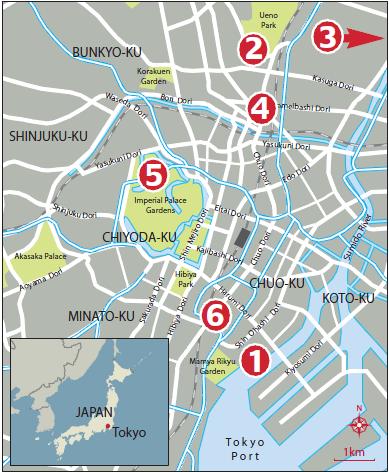
  1. Tsukiji Fish Market The largest wholesale fish and seafood market in the world. Open Monday-Saturday between 5 and 9 am, this market handles more than 400 different types of seafood.
  2. Ueno Park A beautiful public park and favourite spot for Hanami – cherry-blossom viewing – in the springtime. It’s also famous for its museums and zoological gardens.
  3. Asakusa Famous for its temples – most notably Sensoji, Tokyo’s oldest Buddhist temple, which is said to date back to the seventh century. This is one of the few districts to preserve a sense of the old Tokyo.
  4. Akihabara This neon-splashed district is one of the world’s largest shopping areas for electronics. Its shops stock every new gadget imaginable.
  5. Imperial Palace Home to the Imperial family. The inner palace is closed to visitors, but the ancient Nijubashi Bridge is probably the most photographed bridge in Japan.
  6. Ginza Prominent shopping and dining district, once destroyed in the air raids of World War II, but now a glitzy entertainment area.

San Francisco

Hidden among the many collages and photographs plastered across the walls of Vesuvio, a bar at the heart of San Francisco, I spotted a quote by Paul Kantner of the Sixties’ psychedelic rock group Jefferson Airplane. It read, ‘San Francisco: 40 square miles, surrounded entirely by reality.’ I’d spent a day wandering among the neighbourhoods and districts that make up the city, and now, beer in hand, I couldn’t help but agree with his slogan. There was an atmosphere here that was decidedly different from other American cities. For one thing, its weather is most beguiling. Its geography – on a hilly peninsula, surrounded by the Pacific Ocean and San Francisco Bay on three sides – means that it has a weather system all its own, notorious for producing a fog that hangs over the city in the morning before it is whipped away by afternoon winds. But more than that, it is the people of San Francisco that really set the place apart. The number of different sub-cultures in various districts makes the city seem schizophrenic. I was staying in the Phoenix Hotel, a small, simple affair just beyond the fringes of both Downtown and the Civic Centre, in a kind of no man’s land.

Originally a 1950s motel, it is now San Francisco’s ‘rock hotel’, graced by the likes of David Bowie, Nirvana and Norah Jones, to name but a few. Two floors of rooms surround a courtyard scattered with surreal sculptures and an outdoor pool with a mural on its floor. For those that come to bask in the San Fran vibe, there is no alternative. Spurred on by my night there, I headed down to Haight-Ashbury, the crossroads that once formed the epicentre of the hippie movement, to see where the love affair with sex, drugs and rock ‘n’ roll had begun.

The streets were lined with independent stores that sell used clothes, tie-dyes, jewellery and bongs, but the authenticity had been lost. Smiling tourists, punks, hippies and literati ambled along, clutching Starbucks coffees. Reality was creeping in. Even so, Haight Street was something to behold. The Victorian houses were gloriously decorated in vibrant colours, lamp-posts were a vivid concoction of flyers and posters, everyone was smiling – heck, even the buses were decorated with flowers. And when I delved a little deeper, in the used record and book stores, I found things hadn’t changed so much. They were still staffed by the same friendly owners, some in their twilight years, who were here in the heyday. These are the gentle people that Scott McKenzie sang about in 1967, when he suggested that you go to San Francisco with flowers in your hair. A cable-car took me up to Fisherman’s Wharf in the afternoon.

The fishermen had mostly left since lending their name to the northern waterfront, and it was now a tacky tourist crowd-puller. “Hurry, hurry, hurry, now boarding. Alcatraz, Golden Gate Bridge. See the home of Al Capone. Only $10,” called out the cruise boat captain at one end. At the other sat Pier 39, home to the most gimmicky of tourist shops and restaurants. A street musician sang ‘Only fools rush in’, but the irony seemed lost on the crowd. The best attractions here were the Bush Man (a local who hides behind leafy branches and startles passersby), the colony of 300 sea lions that live on platforms floating between piers, the huddle of breakdancers, and the sight of brave locals swimming in the harbour.

A walk along the harbour wall yielded spectacular views; in one direction the Transamerica Pyramid, in the heart of the Financial District, dominated the city’s skyline; in the other, the Golden Gate Bridge was slowly being shrouded by evening mist. The skyline enticed me back into the city. I headed toward the Transamerica Pyramid, straight down Columbus Avenue, to North Beach. Home to the city’s Italian community, the European atmosphere drew the 1950s Beat writers to the area. Though the Beats who turned the city into a guiding light for other counter-culturalists have since left, the area retains its links to the past. Among the pastry shops, eccentric bars, superb restaurants and dreamy hotels I found Caffe Trieste, where Francis Ford Coppola wrote the script for The Godfather. It continues to serve the best espresso, hold performances of opera on Saturdays, and attract people to write their novels and scripts while the strong smell of coffee beans lingers in the air. Meanwhile, the City Lights Bookstore, which had a major role in publishing the works of the Beat poets, has retained its legacy of antiauthoritarian politics and insurgent thinking – its top floor continues to be well stocked with well-known and lesser-known works by the writers and thinkers of the Beat movement. As I sat next door in Vesuvio, among the pork-pie hats that line the bar, discussing the purpose of life with bar-flies eager to meet today’s curious tourist, I surveyed the scrapbook history on the walls and concluded that this city’s Bohemian spirit would not be kept down.

Where to stay

Claremont Resort & Spa A relaxed haven of swimming pools and spa treatment rooms nestling in the Berkeley hills, 19 km from downtown San Francisco and close to the Berkeley university campus.

The Clift A high-design and highconcept hotel in the heart of the theatre district. Proportions of scale
have been played with inside the grand lobby, where an enormous chair upholstered in antique tapestry takes pride of place. The hotel also houses the post-modern Redwood Room bar, a venerable San Franciscan drinking hole.

Hotel Bohme An intimate hotel in the heart of North Beach, decorated in art deco style. It’s full of character and features gauze-draped canopies covering queen-sized beds, as well as black and white photographs of local heroes hung on the burnt orange walls.

Mark Hopkins InterContinental This grand hotel at the top of Nob Hill was once a haunt of writers and
movie stars. It now has a more corporate atmosphere, but retains its charm. The Top of the Mark cocktail bar affords wonderful views across the city.

W Hotel Part of the Starwood group, this modern and comfortable hotel has great views of the Bay Bridge and is situated in the revitalised Soma district, right next door to the Museum of Modern Art and the city centre.

Agronaut Located down on the waterfront, this intimate boutique hotel has a nautical-themed and modern décor.

Top sites

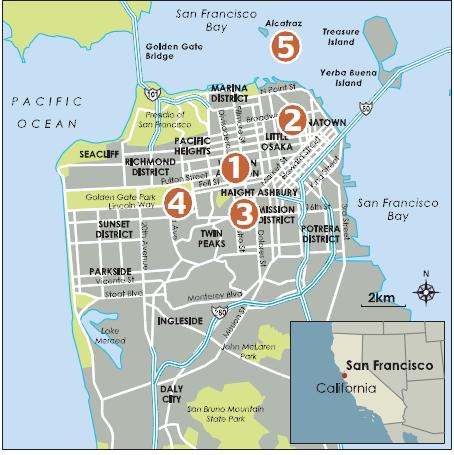
  1. Alamo Square Catch impressive views from this park, whose panoramic vistas of the entire city – including the row of fastidiously restored Victorian houses known as the Painted Ladies – are quite gasp-inducing.
  2. Chinatown Sample dim sum in one of the many restaurants, or wander along Grant Avenue to admire the brightly coloured balconies and search for souvenirs.
  3. Mission Dolores Worship at the simple church and oldest building in the city, dating from 1791. It survived the fires that followed the 1906 earthquake.
  4. Golden Gate Park Explore the lungs of the city, stretching three miles from Haight-Ashbury to the beach. It’s home to museums, Japanese tea gardens, windmills and even buffalo.
  5. Alcatraz Visit the isolated island prison, now a museum but once home to America’s most famous criminals, including Al Capone, Machine Gun Kelly and the Birdman.

Naples

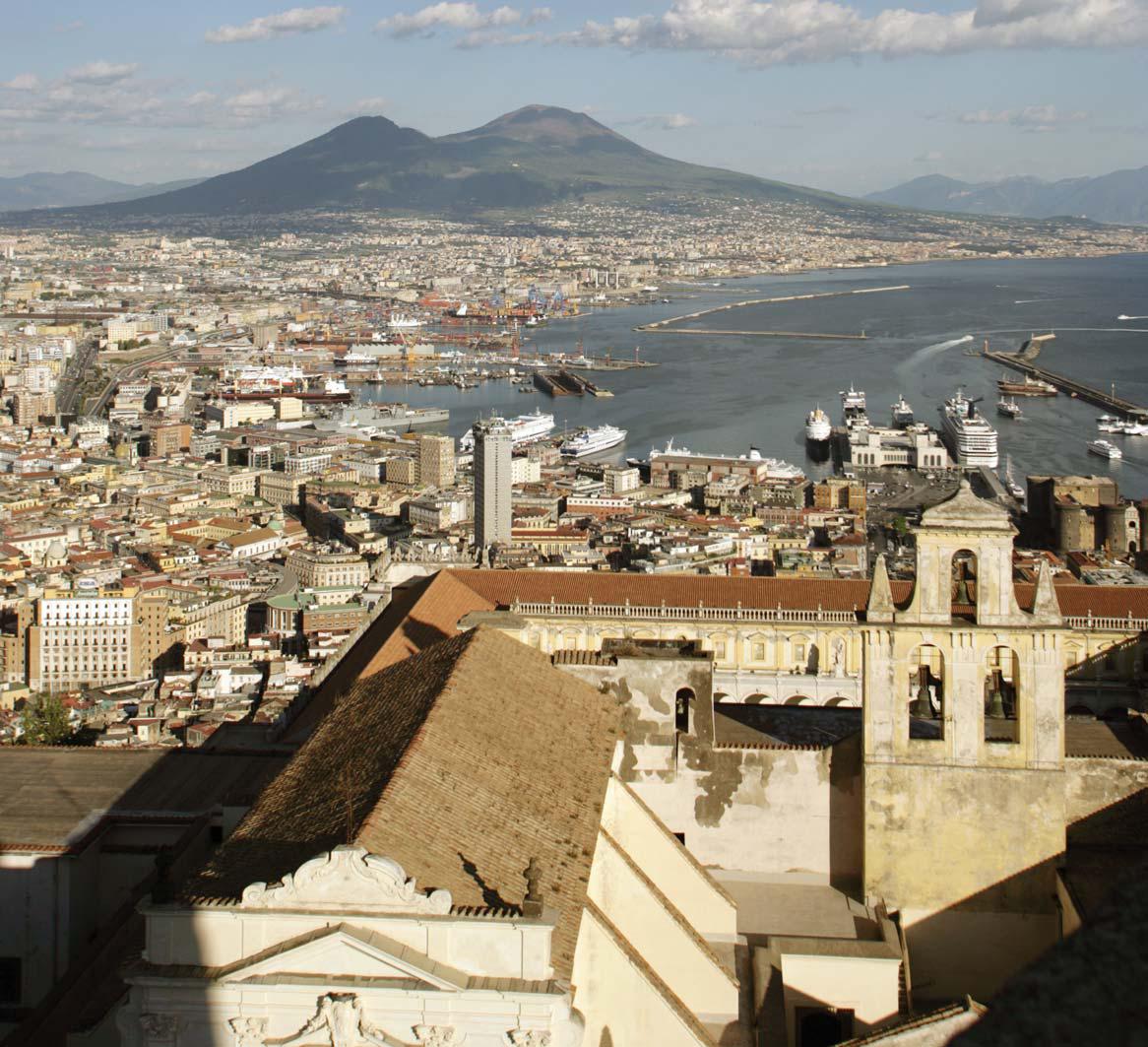
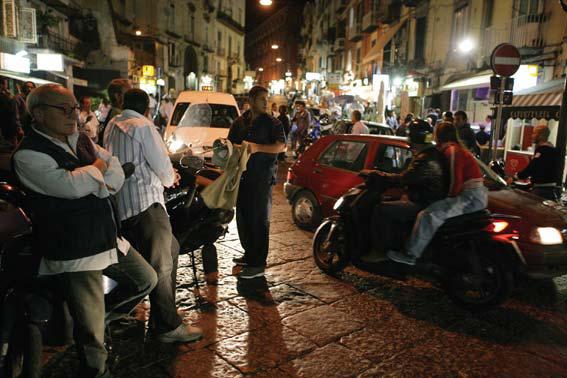
As you steped out into the centre of Naples, your senses are attacked by a cacophony of sounds, smells and sights. On these streets, all manner of life plays itself out. It has always been so. As far back as 1844, Charles Dickens wrote that Naples ‘woke again to Policinelli and pickpockets, buffo singers, beggars’ rags, puppets, flowers, brightness, dirt and universal degradation, airing its harlequin suit in the sunshine, next day and every day singing, starving, dancing on the sea shore’. Today, while the poverty is not quite as wretched, little else has changed. These days Naples is the capital of the scooter: young and old – even entire families – ride on rasping Vespas that obey no rules of the road. In the evening, when the whole of Naples takes to the streets, the young lean against their beloved scooters as they congregate in the piazzas, while on Sundays lovers can be found intertwined on the waterfront, still perched on their mopeds. But the centre of the city is a reminder of what Britain’s bland homogenised town centres have lost. No chain stores here, but small, beautifully presented, individual shops selling pasta, chocolate, wine, antique books, wedding dresses and a treasure chest of other goods. The markets overflow with fruit, vegetables and every kind of seafood imaginable.

Neapolitans are rightly proud of their food. This is the home of the pizza. My favourite pizzeria was the Trianon Da Ciro, a no-frills place where workers come for lunch to order huge pizzas which they wash down with beer. As I ate, a couple of large men each demolished two of these pizzas, barely raising their heads to talk as they ate. I ate at a trattoria in the poor Quartieri Spagnoli neighbourhood, where the waiter, proud to have a tourist in his establishment, ordered for me. I enjoyed a delicious feast of vegetables, pasta and fish, accompanied by a local wine, in the equivalent of a greasy spoon café. The Quatieri Spagnoli is the most atmospheric neighbourhood in Naples, a dense, claustrophobic set of narrow streets and alleys. Washing is hung out to dry like flags between the tenement blocks, boys play football, old men play cards and elderly women in the top floors hoist shopping up to their flats in buckets that dangle from a length of rope. Around every corner, a shrine to a saint, often adorned with photos of loved ones, is set into the walls: there’s even a shrine to Diego Maradona, with a strand of his hair enclosed. He received such ‘sanctification’ by bringing Napoli its only championship ever, on a day on which, for once, Naples could lord it over the wealthy northern teams of Juventus and Milan. Maradona makes a fitting latter-day saint for a city that combines the beautiful with the ugly. The Neapolitans are deeply religious, in a superstitious, pagan way; a fact that is hardly surprising, given the looming presence of the still-active volcano Vesuvius. Evidence of macabre practices can be found outside the church of Santa Maria del Purgatorio ad Arco, whose entrance is adorned with bronze skulls. The ritual of adopting skulls of the unknown dead was once practised here.

In return for praying for them, polishing their skulls and leaving them gifts, the dead souls would bless their benefactors once they reached heaven. In 1980 the Catholic Church banned this cult, but it is still believed that a dwindling few continue the practise. One of the most famous skulls is adorned with a bridal veil: it is said that the skull belonged to a woman who died on the eve of her wedding. Newly-weds used to visit the church to receive her blessing. Neapolitans love a wedding. This being Naples, the photo-shoots can take hours, while the couple are photographed in a whole array of theatrical poses in front of statues and outside shops. I came across one couple and, although I did not want to intrude, I was encouraged to take pictures. Neapolitan weddings are very much public exhibitions. As I wandered around taking photographs, concerned Neapolitans constantly warned me to take care. In a city where unemployment reaches 50 per cent in some neighbourhoods, it is not surprising to find that many people turn to crime.

Naples has its own version of Sicily’s mafia, the camorra, and a recent drugs turf war has resulted in the deaths of over 150 people, including many innocent bystanders. It is the gangs of petty criminals that are, however, of more concern to locals. One woman I met had had her handbag stolen on seven occasions. I witnessed one pickpocket at work. A teenager sauntered up behind a group of elderly tourists and calmly put his hand in one of their handbags. He then skipped away, weaving through the traffic. Once across the busy road, he caught my eye and gave me a wink, before disappearing down a labyrinth of alleys. I was amazed at the sheer audacity of this Neapolitan artful dodger. Leaving for the airport, my taxi was late. As my driver raced through the traffic at an even more breakneck speed than usual, it occurred to me that this was what was meant by the phrase ‘see Naples and die’. With one hand on the steering wheel, he leant over to retrieve a book of DH Lawrence’s poetry, and we discussed poetry and Dante before moving on, inevitably, to football, Maradona and the hand of god. It felt like the perfect way to finish a visit to this most enrapturing of cities.

Where to stay

  • Hotel Parco Dei Principi Stylish hotel designed by Italy’s most famous twentieth-century architect, Gio Ponti. Fresh and funky, it’s perched on the edge of Sorrento’s spectacular cliffs. In style it resembles a modernist beach cabana, all blue and white.
  • Grand Hotel Cocumella Formerly a Jesuit monastery, this elegant hotel overlooking a pretty cliff-top park in Sorrento is furnished with antiques. Guests can take advantage of the hotel’s own tall ship, used for day trips along the Amalfi Coast and to Capri.
  • Grand Hotel Vesuvio Since 1882 this seafront hotel has been the local home for royals, celebrities and politicians visiting Naples. Most of the rooms have balconies or terraces overlooking the Mediterranean, Capri, Vesuvius or Sorrento. It’s a case of old-world charm meets modern comfort.
  • Hotel Excelsior A splendid palazzo overlooking the promenade. Its rooms are all different and furnished with antiques, creating a fin-de-si?cle feel.
  • Grand Hotel Quisisana Traditional and elegantly furnished hotel on the island of Capri, surrounded by enchanting gardens and pretty terraces that overlook the sea and gardens.
  • Parker´s Set on a hill overlooking the gulf of Naples and Chiaia beach, this grandiose hotel has catered to the likes of Clark Gable, Bernard Shaw, Boris Yeltsin and David Bowie. Its rooms are decorated with original antique furniture, art and a historical library.

Top sites

  1. San Carlo Theatre Enjoy an evening at the opera at the San Carlo Theatre, one of the most important opera houses in Europe, built in 1737, 40 years before the Scala.
  2. Duomo Cathedral Crane your neck back to take in the imposing central nave of Duomo Cathedral, dedicated to San Gennaro, and built at the end of the thirteenth century.
  3. Palazzo Reale Wander through the Palazzo Reale, built as an imitation of the Palace of Versailles in the fifteenth century. It was home for the monarchs, and remains one of the city’s best examples of Baroque architecture.
  4. Castel Nuovo Rise early and head to the Mercato dei Fiori at sunrise, an aromatic flower market held in Castel Nuovo – the thirteenth-century castle that dominates the waterfront.
  5. POMPEII Jump on a train and head for nearby Pompeii, the Roman city buried by the eruption of Mount Vesuvius in AD 79. Once a week, visitors can come for a night-time view of the ancient city and its still active volcano. (Not shown on map.)

Hong Kong

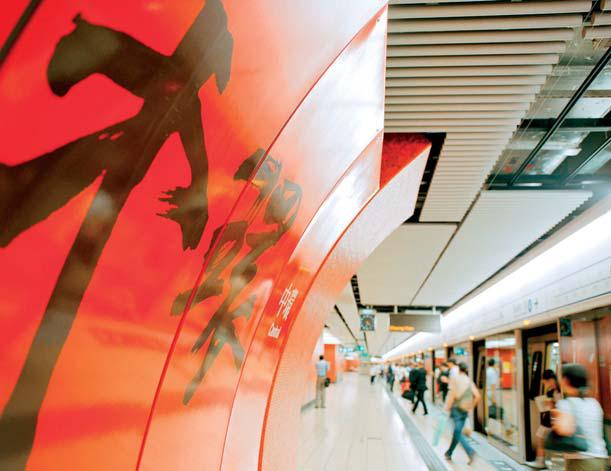
When I think of Hong Kong, I think of rain. Not just any old rain,but the monsoon of wui gwai – the lashing storms that washed out the handover ceremony in June 1997. The ceremony offered my first impressions of the former British colony, long before I had visited Hong Kong:live television images of a lone bugler in a white tunic playing the Last Post, as the standardwas lowered over Government House for the last time; heartbreaking pictures of Governor Patten, his head bowed in sombre reflection, the shoulders of his crumpled blue suit buckled by tropical rain. That night, people talked of Hong Kong changing beyond recognition,of the island and its three million inhabitants being lost forever to the brutality of Chinese rule. What would become of the place? The happy answer is that very little appears to have changed.It is a tribute to the vigour and perseverance of this pearl of the South China Sea – and also,perhaps, to the policies of its rulers in Beijing – that Hong Kong continues to flourish.

You can see this from the Star Ferry at night, as she chugs across Victoria Harbour like a faithful dog. I stood at the stern of the ship, en route to Kowloon, looking back at the coathanger lights of the Hong Kong and Shanghai Bank, at the fading neon of Causeway Bay,and marvelling at the staggering us$40-billion International Finance Centre, the third tallest building in China. This sky-piercing monument to the twin gods of money and land reclamation was completed long after the British departed. In its bowels is a shopping mall practically the size of Texas,where Hong Kong’s elite can gorge themselves on white Burgundy and foie gras,designer clothes and underwear from good old home.This is the neighbourhood of theMarks & Spencer. In some senses,of course, the British have never left.The bars and restaurants of Lan Kwai Fong, for example,still heave with boozy, carefree twenty-somethings who have made east Asia their temporary salesman and the billion-dollar broker, the accents Cockney or cut-glass. In one subterranean nightclub, I encountered a gorgeous,slim-waisted Brazilian modelwho was earning her fortune as ‘the face of the West’in Asia. A Canadian man of indeterminate age was chatting her up, boasting that he had arm-wrestled Jackie Chan.Towards two in the morning,drunk and out of luck,he hailed a cab eastwards, to the brothels of Wan Chai.

There is,of course,another Hong Kong, away from the glitz and the ceaseless hum of downtown money. There is the Hong Kong of Mongkok, on the Kowloon side,where the cramped alleyways of the bird market are lined with cages fashioned from varnished bamboo.There is the Hong Kong of Happy Valley,where a week’s wages can be lost on a single bet in the madness of a Wednesday night’s horseracing.The Chinese are ravenous gamblers,boarding night boats from Shun Tak to nearby Macau, to lose themselves in the labyrinth of the Lisboa Casino, their every bet and gesture monitored by close-circuitTV. It is on water that I am happiest – in Hong Kong,buzzing out to restaurants on Lamma Island,pointing to a snapper in a tank and waiting just ten minutes before it is brought to my table, grilled to perfection.In summer, the humidity of southern China pins your shirt to your back, it brings you out in a damp, fever-sweat just seconds after leaving the air-conditioned sanctuary of a shop or office: all of this is blown clear away by the sea air. But I also love the crush of the city, the traffic and the crowds, the smells of five-spice and soy sauce in doorways and yards.

Is there a better lunch than dim sum at the Luk Yu Teahouse,an Art Deco throwback to the Hong Kong of old? Why do Indian curries,why does Japanese sushi, taste better here than almost anywhere else in the world? Perhaps because Hong Kong is a melting pot of races and creeds,a gateway to China that is neither Chinese nor British. As I became more familiar with Hong Kong, I ventured north, into the New Territories, spending a lot of time walking in the lush highlands to the east of Tai Po, between Plover Cove and Starling Inlet. Looking across the land border at the endless,characterless high-rises of downtown Shenzhen,it felt as though Hong Kong had no more in common with its booming neighbour than it does with London,New York or Madrid.Hong Kong in fact is unique. Long may it remain so.

Hotels in Hong Kong

  • The Peninsula Hong Kong’s most famous hotel is unrivalled for colonial-style luxury.It has sumptuous rooms,a selection of elegant bars and restaurants, and the service is impeccable. It’s located just off the garish bustle of Tsim Sha Tsui’s streets.
  • InterContinental Hotel Lavish hotel with fantastic views of Hong Kong Island from its position on the edge of Victoria Harbour in Tsim Sha Tsui. Uniformed doormen are constantly polishing the brass and there is a fleet of Roll Royces that can be hired out – complete with chaffeur.
  • Mandarin Oriental Central Considered by many to be Hong Kong’s best hotel, on account of its old-world charm and excellent service. Rooms are filled with antiques and Chinese textiles, while the luxurious spa includes private treatment rooms, couples’suites and Chinese herbal steam rooms.
  • Island Shangri-La Situated in Pacific Place, this is as close as you can get to Hong Kong’s best shopping while staying relaxed.The hotel has 771 chandeliers, and the world’s largest Chinese silk painting spans 16 storeys in the atrium. The hotel also offers great views of the Peak and Victoria Harbour.
  • Langham Place Hotel Elegant hotel in the heart of the Mongkok area of Kowloon. Its impressive spa specialises in traditional Chinese medicine, while guest rooms feature 42-inch LCD screen televisions and oversized baths. Dining options include Cantonese specialities,which can be enjoyed under mango trees on the hotel’s al fresco terrace.
  • Lanson Place Small boutique hotel in lively Causeway Bay,within walking distance of Victoria Park. Facilities include a fully equipped,24-hour gym and a library.

Top Sites

  1. Star Ferry Atmospheric way to get between Central and Tsim Sha Tsui. A Hong Kong institution that’s been running since 1898,the seven-minute ride provides great views of Central’s skyscrapers,and at night the boat is adorned with strings of lights.
  2. Tian Tan Buddha The world’s tallest outdoor,seated bronze Buddha is an impressive sight and weighs as much as a jumbo jet. It’s accessible by way of 268 steps up to the Buddha’s platform, from which great views of the rugged mountains of Lantau Island can be had.
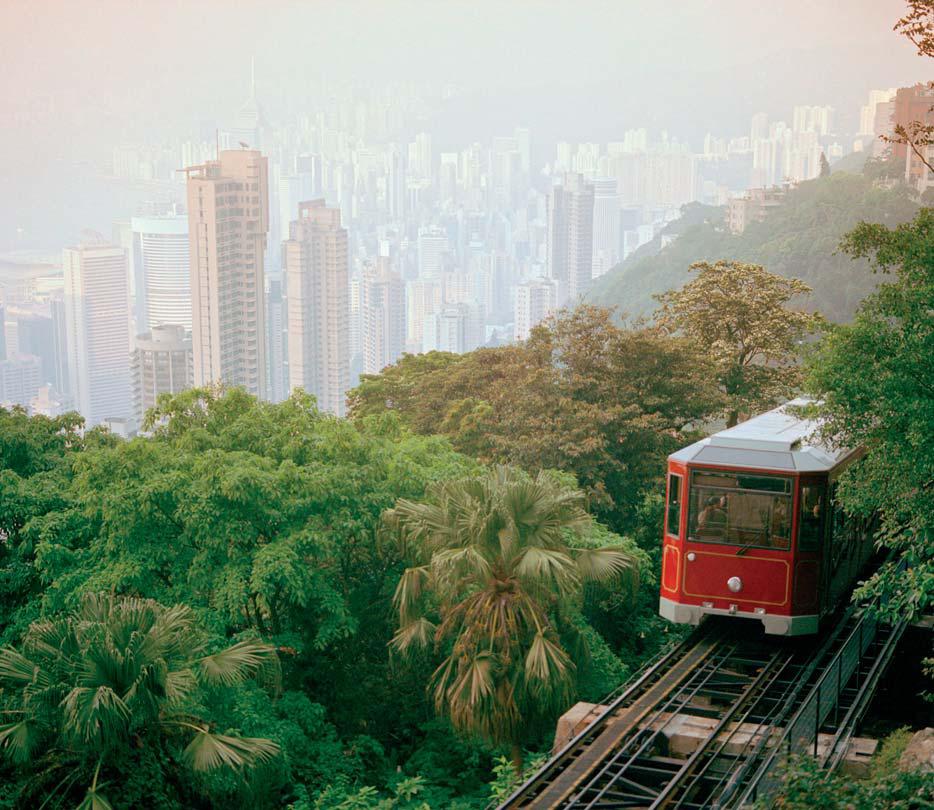
  3. Victoria Peak The air is clear and cool,the views of Kowloon and Hong Kong are spectacular,and the Peak Tram ride to the top is so steep it’s an experience in itself. There’s a mall at the top and several restaurants.
  4. Temple Street Night Market The goods are largely tourist tat,but the buzz and the neon surrounding this famous attraction make it worth a visit.
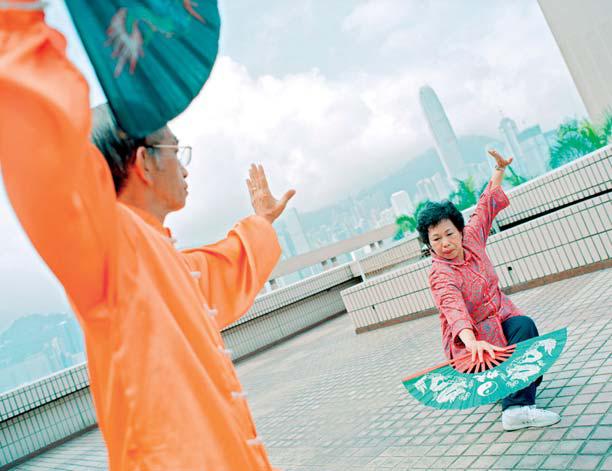
  5. Hong Kong Park Wedged between mountains on one side and skyscrapers on the other,this lovely park includes an aviary with over 100 species from South-East Asia and New Guinea. It’s a good place to relax in the midday heat,or to watch t’ai chi in the morning

www.discoverhongkong.com Handy information from the city’s tourist board, including sections on shopping, restaurants and travelling around the city.

Aman Resorts Marrakech

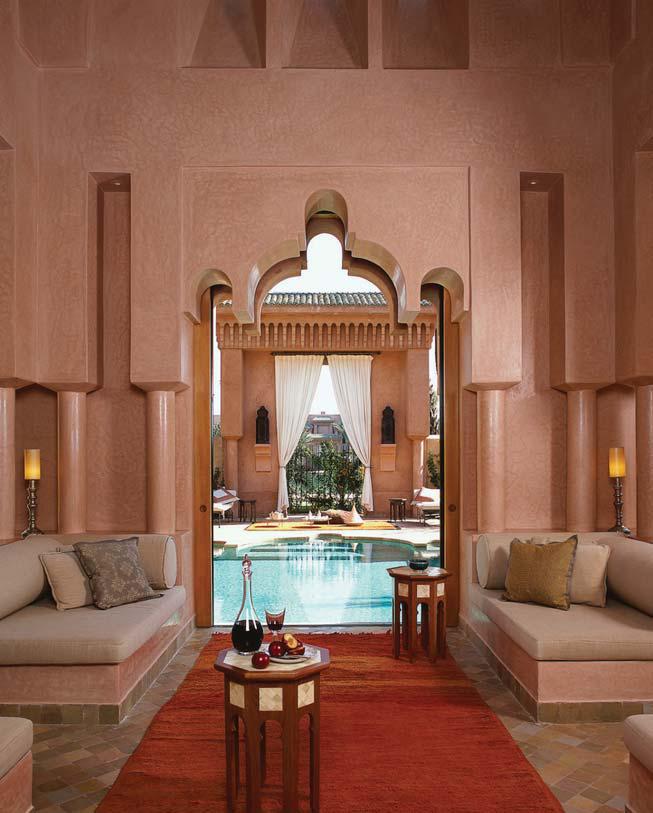
The Aman Resorts are famous for their unparalleled service , beauty, tranquillity and luxury.Marrakech’s own Aman resort,the Amanjena, lives up to its name:Amanjena means ‘peaceful paradise’. The resort’s wonderful design – taking inspiration from traditional architecture using Marrakech’s famous pink-coloured stone and plenty of waterways and reflecting pools – certainly fulfils all the above criteria. The Amanjena spa also takes inspiration from local tradition. Morocco is famous for its hammams – public baths in which you are steamed and scrubbed to a healthy glow. The spa here has, as well as all the treatments you would expect,hammams that can be combined with every treatment. Each hammam (one for men and one for women) has its own showers,washrooms, a changing area and a glassed-in whirlpool in which to soak afterwards if you wish. The hammams are beyond beautiful,shimmering with blue irridescent tiles arranged like fish scales, and with enough room to house a family of 12.

A therapist comes in with you, to administer the gommage (scrub) when you have steamed for long enough for your pores to open. Then a clay mask is applied, and finally lavender and rose water wash it all off – after which your skin will be softer than when you were born. Afterwards, I opted for a massage with rose oil to further soften the skin and unravel my tight muscles. After a blissful two-and-a-half-hours in total, I floated into my private whirlpool to bring myself slowly back to reality. It’s a world-class experience, among the very best in Morocco.

Hotel Adlon Kempinski

Hotel Adlon Kempinski
Unter den Linden 77
Berlin, Germany

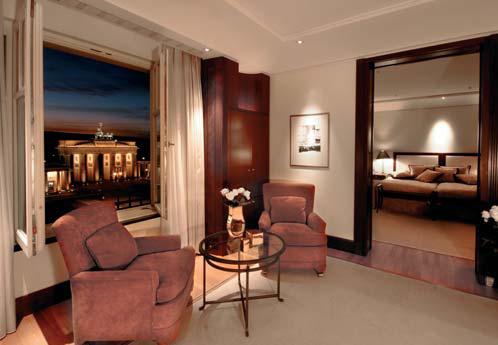
Hotel Information: Standing under the canopy of the Hotel Adlon I am confronted by the familiar – though I have never been here before. Tomy left, in Pariser Platz, stands the magnificent Brandenburg Gate; to the right Unter den Linden, the city’s main boulevard, which runs east through the middle of former East Berlin. I may have never seen the Gate before, but this monumental end to Unter den Linden has long been the symbol of Berlin. It was from here, after the 1806 Prussian defeat at the Battle of Jena-Auerstedt, that Napoleon stole the Quadriga that now, returned, sits atop the Acropolis -based gateway. It was here that the Soviet soldiers flew the red flag to mark the end of Hitler’s ‘thousand-year empire’. And it was here that the city’s Cold War division was most keenly felt – and where world leaders came to heal the two sides afterwards.

But it wasn’t just the hot running water that helped this hotel stand out from the rest.Sumptuous interior decorations and furnishing combined withthe day’s most cutting-edge technologies – including telephones in all rooms, individually regulated heating, en-suite bathrooms,heated towel rails, electric lighting, an on-site laundry, letter chutes throughout the building, and a discreet lighting system to summon the bellboy – meaning none of that noisy bell-ringing.

Through its doors came the rich and the beautiful to marvel at the extravagance. The Kaiser’s uncle, King Edward VII,paid a visit, as did Tsar Nicholas II, Henry Ford, Thomas Edison and Thomas Mann .Marlene Dietrich was discovered here,while Charlie Chaplin,mobbed by the crowds who had turned out for the City Lights premiere, had to run for the lift with his trousers falling down because all his buttons had been torn off for souvenirs. Although the Adlon was one of very few structures to survive the Berlin bombings at the end of World War II, excited Soviet soldiers raided the wine cellars and within a matter of minutes the entire hotel was ablaze. All tha twas left was a solitary side wing – in ruins. This, however,was enough for the Adlon to continue in some capacity. Eventually it became state property, suffered a stint as an apprentices’ hostel in the 1970s, and was finally demolished in 1984.

The lighting in my room was adjusted by a control panel in the bedside drawers,where I could also set a traffic-light do-not-disturb system – a throwback to the lighting system once used to call the bellboy.My en-suite offered a choice of basins,a bath and shower, and once in the shower a choice between two different showerheads, no less. Oh,and should standing in the shower be too much of a chore, there’s a stone slab seat to rest on. A television, with seemingly all the world’s channels, is hidden at the end of the bed,and wireless internet access is also available, though sadly this will cost you extra. A separate lift,meanwhile,will take you directly to the hotel’s spa, complete with pool,sauna,steam room,plunge pool, jacuzzi and all manner of treatments. In the centre of the lobby, Berliners and non-Berliners eat fine pastries and share the latest news around an ornate fountain, decorated with stone elephants and frogs. The hotel’s restaurants,one of which holds a Michelin star, are one floor above, overlooking the famous gateway. So it’s no surprise that the Hotel Adlon Kempinski continues to attract the rich and the beautiful through its doors. Queen Elizabeth II, like her great-grandfather before her,came to stay, as did Prince Albert of Monaco, Liza Minnelli, Pele,Christopher Lee,and perhaps the most famous entertainer of our time, Michael Jackson, who instead of nearly dropping his trousers, nearly let go of his baby from a hotel balcony. While the city around it has gone through the biggest of changes, the Adlon remains a sanctuary of calm, fit for a king.

Brunton Boatyard, India

This must be the most chaotic corner of Cochin: a bus station, a bazaar, a ferry terminal, all within yards of each other – people on, people off, shopping, shouting, a tumultuous clamour of calls and bangs and engines revving up. Dodging the crowds, almost staggering under the heat, I go a little way up a dirt road, dust rising at my feet and sinking into my sandals. As rickshaws speed past and goats prance around potholes, I turn into a cobbled courtyard and, instantly, peace and calm settle around me like a soft shawl. It’s a home-at-last feeling. Although Brunton Boatyard is a grand sort of home, it’s a homely sort of hotel. I’m crumpled and hot and frankly grubby, but it could not matter less. Here, right on the edge of the everyday hustle of Cochin, is a haven. A cold and lemony drink appears as I flop into a vast seat in the airy foyer. Vaulting arches let in swathes of sunlight from another courtyard, this one all grassy and lush, sheltering a huge Rain Tree and full of birdsong. Old fashioned fans – punkahs – hang from a high, carved, wooden ceiling. My feet yearn to slip out of the now scratchy sandals and on to the smooth, cool, tiled floor.All the building materials used here have that tactile, soothing quality – walls bright white with limewash, warm dark wood, terracotta floors. The Old Colonial style creates a sense of timeless tranquillity. But Brunton is a very new hotel: building work began in 1999. For a century before that, the site was home to a bustling boatyard, as full of noise and action as it now is with peace and relaxation.

An ancient anchor lying on the lawn marks this nautical past; but even without it, there’s no escaping from boats. Brunton is on Cochin’s harbour front. Freighters and ferries, ships and sailing boats are part of the view. From the hotel’s own jetty – which is a lovely spot for a sundowner – guests can see the graceful curves of traditional Chinese fishing nets silhouetted against the sky, and count the fish lying in small fishing boats floating past. Even when you’re engaged in some solitary indulgence – enjoying lazy laps in the silky water of the green pool, lying on a lounger soaking up the sun – ships and boats bobbing past make your mood sociable. And every one of the 22 rooms boasts a sea-view: so after easing into a warm bath, or climbing into one of the giant antique four-posters, it is possible to look out of the window at any given moment to see the world sailing by. There are boats at dawn and also at dusk. Late in the evening, strolling on to the terrace for a last communion with the sea breeze and the stars, I hear a ferry bumping against the jetty. I turn to see passengers disembarking, laughing, picking up a snack at the bazaar, before they head for home on the last bus.