Austria Trend Hotel Rathauspark

 
Austria Trend Hotel Rathauspark
Rathausstrasse 17,
1010 Vienna, Austria
(Rates 99€ – 280€)

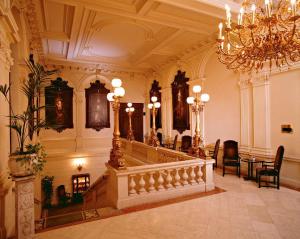
Hotel Information: Austria Trend Hotel Rathauspark is located right next to the Rathaus and the Burgtheater, Vienna´s historic city centreis just a short walk away. Internationally renowned writer Stefan Zweig once lived in this place build 1982, which was turned into a four-star hotel after extensive renovations. It offers its guests first-class service in a splendid atmosphere and a pleasantly quite location. The 117 rooms an junior suites are elegantly furnished and combine modern comfort with historical elements such as stucco ceilings or inviting oriel windows. The generous spaciousness takes guests back to the time around the turn of the century.

Airport: Wien-Schwechat, 20 km

Category: ****

Guests review score: 7,8/10 (of 133 reviews)

Room Information: 117 rooms. All rooms are equipped with modern amenities. Three floors are reserved for non-smokers. Once residence of Stefan Zweig, historical palace architecture, marvellous ambiance.

Rates: 99 -280 Euro

Hotel Facilities:

General Bar, 24-Hour Front Desk, Newspapers, Non-Smoking Rooms, Elevator, Express Check-In/Check-Out, Heating, Luggage Storage.

Services Room Service, Meeting/Banquet Facilities, Airport Shuttle, Laundry,Breakfast in the Room, Tour Desk, Fax/Photocopying, Ticket Service.

Location City Centre, University, Near Subway, Old Town

Radisson SAS Palais Hotel

 
Radisson SAS Palais Hotel
Parkring 16,
1010 Vienna, Austria

Hotel Information: The Radisson SAS Palais Hotel is located directly across from the Stadtpark and is able to present, as the only hotel in Vienna , two originally restored Ring Road palaces. In this impressive scenery, ambitious guests from all over the world enjoy the five-star comfort and the nostalgic flair of the monarchy. The hotel is impressive not only architecturally but also for its cuisine. The elegant gourmet restaurant Le Siecle spoils its guests with exquisite dishes of highest quality.

Airport: Wien-Schwechat, 20 km

Guests review score: 8,1/10 (of 629 reviews)

Room Information: 247 rooms. American breakfast costs EUR 25.00 per person.

Special:Unique floatarium in the “Vendome Vienna”, inimitable banquet halls under monumental protection with the original patterns from 1872.

Rates: from 129 Euro

Room Facilities:

General Restaurant, Bar, 24-Hour Front Desk, Non-Smoking Rooms, Rooms/Facilities for Disabled Guests, Elevator, Express Check-In/Check-Out, Heating, Gay Friendly, Allergy-Free Room Available, Air Conditioning.

Activities Sauna, Fitness Centre, Golf Course, Solarium, Spa & Wellness Centre,  Library.

Services Room Service, Meeting/Banquet Facilities, Airport Shuttle, Business Centre, Babysitting/Child Services, Laundry, Shoe Shine, Tour Desk, Fax/Photocopying, Ticket Service.

Novotel Wien City

Novotel Wien City
Aspernbrückengasse 1,
1020 Vienna, Austria
(Rates from 100 € )

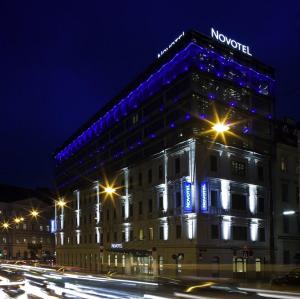
Hotel Information: Experience the new Novotel Vienna City situated right near the historical old town and directly next to the Uniqa tower in perfect city location. 124 superior and executive rooms, one junior and one executive suite, modern bright and spacious are perfectly equipped for a relaxing business or private visit. The hotel offers a food bar, a cafe and a lounge. The restaurant  “5senses” expects sophisticated guests with a modern concept. The finish sauna and Techno-gym fitness complete the hotel facilities.

Airport: Wien-Schwechat, 20km

Guests review score: 8,4/10 (of 57 reviews)

Room Information: 124 guestrooms including Superior Rooms and Executive Rooms. 90 non-smoking rooms, 2 free children in parents room. Two exclusive board rooms with 35sqm each on the 8th floor offer a view of the city´s historic centre. Two children up to the age of 16 years stay for free in their parent´s room and are not charged for breakfast. Pets are accepted

Rack Rate: 100 Euro.

Hotel Facilities

General: Restaurant, Bar, 24-Hour Front Desk, Newspapers, Non-Smoking Rooms, Rooms/Facilities for Disabled Guests, Heating, Luggage Storage, Gay Friendly, Airconditioning

Activities: Sauna, Fitness Centre.

Services: Room Service, Meeting/Banquet Facilities, Business Centre, Laundry,Facilities, Breakfast in the Room, Currency Exchange, Car Rental, Tour Desk, Fax/Photocopying, Ticket Service.

Radisson SAS Style Hotel

 
Radisson SAS Style Hotel
Herrengasse 12, 1010 Vienna,
(Rates 155€-449€ )

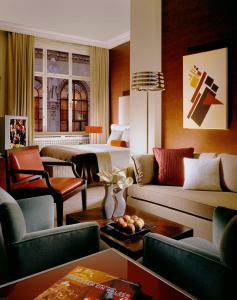
Hotel Information: Modern design meets Art deco. Maria Vafiadis, a renowned interior designer, composed a magnificent appearance of the Radisson SAS Style Hotel Vienna referring  to the 1920s and the same time to up-to-date art deco elements. She performed detail loving art in each of the highly comfortable 78 rooms and 17 suits furnished exquisitely with marble floors and individually adjustable air condition. Equipped with W-LAN  free for hotel guests, flat screen TV  and DVD the rooms also offer highest technology. Situated in Vienna´s historical first district the Radisson is a perfect starting point for a shopping tour through Vienna´s most exquisite shops on Kohlmarkt and Graben. Enjoy  Viennese delicacies in the famous Cafe Central or taste seasonal cocktails, Milan style aperitifs or one of the many exquisite wines offered in the H12 Wine&Bar where society meets.

Airport: Wien-Schwechat, 21 km

Room Information: 78 comfortable guestrooms including Standard Room, Superior Room, Metropolitan Suite and  City Corner Suite. ( VAT, service charges, city tax included in Room price)

Rates: 155 – 449 Euro

Hotel Facilities:

General:  Restaurant, Bar, 24-Hour Front Desk, Newspapers, Non-Smoking Rooms, Elevator, Express Check-In/Check-Out, Safety Deposit Box, Heating, Design Hotel, Luggage Storage, Gay Friendly, Air Conditioning.

Services: Room Service,  Meeting/Banquet Facilities, Business Centre, Laundry, Dry Cleaning, Breakfast in the Room, Ironing Service, Shoe Shine, Fax/Photocopying, Ticket Service

Park Inn Uno City Vienna

Park Inn Uno City Vienna
Wagramer Straße 16–18,
1220 Vienna, Austria
(Rates 99 € -305 €)

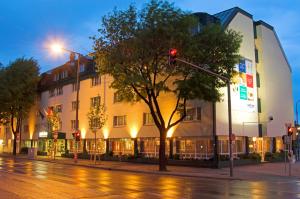
Hotel Information: The Park Inn Uno City Vienna is situated right next to the Austria Centre and the United Nations building in one of Vienna´s largest relaxation areas on the banks of the Danube. Apart from the great location, the hotel also offers comfortable rooms. A generous breakfast buffet and various free services . Hotel guests can make use of the house´s own 24-hour fitness area as well as of reduced admission to the Holmes Place Health Club situated across from the hotel. For convention guests, Park Inn features two rooms with modern conference equipment.

Airport: Wien-Schwechat, 15 km

Guests review score: 8,3/10 (of 320 reviews)

Room Information : 136 comfortable guestrooms including Superior Rooms, Business Suites, Deluxe Suites and Family Rooms Buffet breakfast, VAT, service charges, city tax is included in room price.

Rates : 99 – 305 Euro.

The price includes special features such as a coffee machine in your room, parking  the utilisation of the Business Corner and Wireless LAN or LAN throughout the hotel.

Hotel Facilities:

General Bar, 24-Hour Front Desk, Garden, Terrace, Non-Smoking Rooms, Free Parking, Elevator, Safety Deposit Box, Soundproofed Rooms, Heating, Luggage Storage

Services Meeting/Banquet Facilities, Airport Shuttle, Dry Cleaning, Internet Services, Packed Lunches, Fax/Photocopying, Ticket Service, Free Wi-Fi Internet Access Included

Egypt

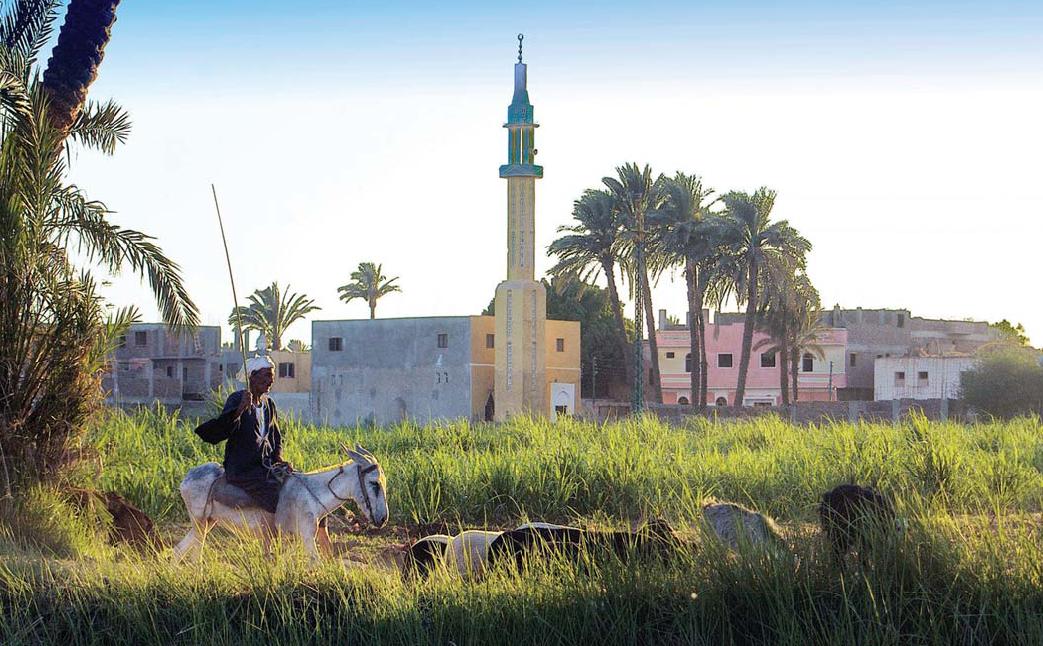
Egypt: A journey on the Nile is made up of several intense pleasures, and one of them is spending time in and around the monuments of Luxor. The temples of Luxor and Karnak on the east bank, the valleys of the Kings, Queens and Nobles on the west bank and the nearby temples of Ramses the Great, Seti I, Hatshepsut and – my favourite – Medinet Habu, the temple of Ramses III…. There was more than enough to see, sketch and photograph, to wonder over and ponder. There was also more than enough to work the magic that makes the days vanish, so we stood on the deck of our Aswan-bound boat and watched in something near to disbelief as Luxor slid away. As the lotus-buds of the temple columns disappeared from sight, we were left to grapple with surprises, among them the fact that the pharaohs’ temples were originally painted as brightly as a fairground attraction and hung with as many flags, that Tutankhamen’s treasures were crammed into an insignificant tomb and that vaulted mud-brick buildings can survive three-and-a-half millennia…. “Welcome to the greatest river in the world,” one of the staff had chanted proprietorially when I first boarded the boat. “The Nile,” he explained, in case we didn’t know, “is the river of history.” As Luxor’s wonders slipped into memory, it was the river more than history that caught my eye, for however much recent development there has been along its banks and however many times I have seen it, the Nile’s lush, palm-fringed beauty still comes as a surprise. We had hardly passed the new bridge just south of Luxor when someone quoted Herodotus’s overused observation that Egypt is the gift of the Nile.
It may be a cliché, but it is still unarguably true: without the river there would be no country. Evidence to support this claim could be seen on both sides of the river, where green fields suddenly crashed into desert. Wherever the Nile waters reached – often now with the help of pumps – the soil was bountiful. Beyond, all was dead. Somewhere near Esna, I saw a farmer crouch beneath a tree and put a small pot on some burning sticks for his tea. This private ritual reminded me of a similar moment I had shared with a farmer a few hundred kilometres downstream. As he poured us shot-glasses full of thick sweet tea, the farmer asked what I thought was the greatest difference between our two countries. I considered the discrepancies of wealth, education, healthcare, technology… and then explained how the rain fell in my country. He was stunned. “You mean,” he asked, to make sure he had understood correctly, “you don’t rely on the river to irrigate your fields? Water comes straight from above, from Allah?” That meeting took place years ago and I wondered, as we glided upstream towards Esna, how many people the farmer had told since then that England is the gift of Allah. However generous the Nile, the glory that is Egypt is also due to the ingenuity of humans who learned to control the river’s flow. The ancient Egyptians did no more than mark the height and speed of the river’s rise, which gave them an idea of how abundant the following harvest might be. In the nineteenth century, barrages and a dam were built to control the flow and these were followed in the twentieth century by the two dams at Aswan.
The lock at Esna, the first main site south of Luxor, remains one of the most important along the river, for its limited capacity restricts the number of boats able to cruise the river. There is also a temple here, dedicated to Khnum, the ram-headed potter god credited with creating human beings out of Nile mud, even the foreigners who now come to see the remains of the ancients. Distances along this stretch of the Nile are not large and sailing times are surprisingly brief – just a matter of hours. By nightfall we were moored off the next great monument, the Temple of Horus at Edfu. Compared to the glories of Luxor, many of the monuments to the south are ‘late’, built by the Romans. But Edfu demands attention for being the best-preserved ancient temple in the country. Built by a descendant of Alexander the Great’s viceroy in the third century BC, the temple replaced an earlier structure. Unlike many ancient temples, it was not quarried after the ancient cults died out. As a result, few other places in Egypt give such a clear sense of how these buildings might have looked and functioned a couple of thousand years ago. Aswan, several hours by boat from Edfu, was ancient Egypt’s southern frontier.

The border had both a natural and a political logic, for this is where the land of the Egyptians joined the land of their neighbours, the Nubians, and also where the river is broken by the first of a series of cataracts or rapids. If you want to navigate south of here, you need to haul your boat over the rocks. Just north of these rapids, the desert closes in, the riverbed narrows and the stream is broken by several islands, which help to create perhaps the most beautiful stretch of the Egyptian Nile. In ancient times Aswan was a place of exile, but these days we willingly travel to a place where the habits of Egypt mix with the light and smell of Africa, where the living is easy and where the river flows gently and with majesty. But a cruise on the Nile does more than transport you from one time to another: it opens your mind to other possibilities. As I stood on the dock at Aswan, I let my thoughts run thousands of kilometres upstream to the river’s headwaters in the highlands of East Africa and then down, past all those treasures and all that beauty, down to Cairo and then on to the other world of the Mediterranean.

Hotels and Resorts in Egypt

Winter Palace The doyen of Luxor’s hotels, founded in 1887, combines old-fashioned elegance and modern facilities. Heads of state, Noel Coward and Agatha Christie have all succumbed to its Victorian charms.
Old Cataract Hotel This is without doubt one of the grandest hotels in Egypt, renowned for Agatha Christie’s stay while she wrote Death on the Nile. Perched atop a granite rock on the banks of the Nile at Aswan, its high ceilings, long halls, and Moorish decor transport the visitor back to Victorian Egypt. And the famous Terrace Bar affords spectacular views at sunset.
Oberoi Philae Cruise the Nile on this luxurious ship, embracing the elegance and style of days gone by. Its 54 deluxe cabins and 4 suites are furnished with oriental carpets, teak panelling and parquet floors, and each have a private balcony, so you can watch life unfold on the river bank in style.
Mena House Oberoi Once a royal lodge, this hotel is set in 40 acres of jasmine-scented gardens in the shadow of the Great Pyramids at Cairo. Arabesque Islamic design and furnishings are combined with modern comforts and conveniences to create one of ‘The Leading Hotels of the World’.
Basma Hotel Set on Aswan’s highest hill, this hotel benefits from commanding views of the Nile and Aswan. Decorated by two of Egypt’s top artists and located opposite the Nubian museum, take time to relax in the hotel’s Nubian bar and restaurant.
Le Meridien Pyramids Set in beautiful landscaped gardens, with unequalled views of the Giza Pyramids, the hotel has a spectacular swimming pool complex and health club.

Top destinations in Egypt
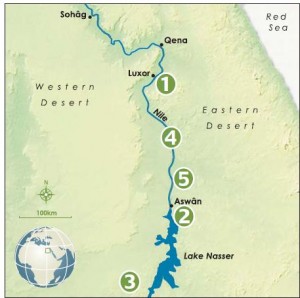
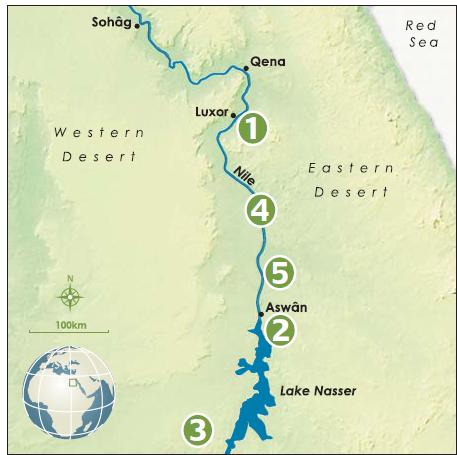
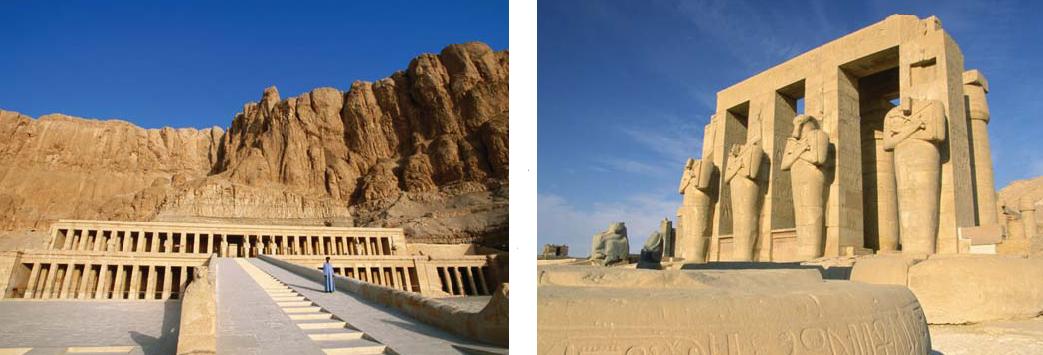
  1. Luxor Tread in the footsteps of pharaohs at the legendary Valley of the Kings, home to the secretive tombs of New Kingdom rulers including Tutankhamun. On the east bank of the Nile, venture around the remains of the mighty Karnak Temple, a 100-acre complex built over 1,300 years.
  2. Aswan Haggle for local handicrafts, souvenirs and spices in the bustling bazaars of Egypt’s southernmost city, the gateway to Nubia since ancient times. Aswan is also the base for trips to the temples of Philae and the Aswan High Dam.
  3. Abu Simbel Admire the monumental rock-cut temples of Rameses II and Nefertari, overlooking Lake Nasser.
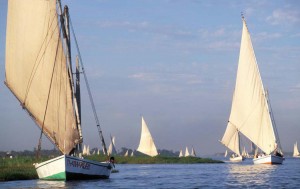
  4. River Journeys Board a traditional felucca or a twin-masted dahabiah for a timeless and spectacular voyage down river.
  5. Riverside Temples Wend your way upstream, hopping from temple to temple at the towns of Kom Ombo and Edfu, the latter home to a cult dedicated to the falcon-headed god Horus.

www.ancientegypt.co.uk The British Museum’s informative site, with notes on Ancient Egypt.

English arabic translations with egyptian dialect.

South Africa

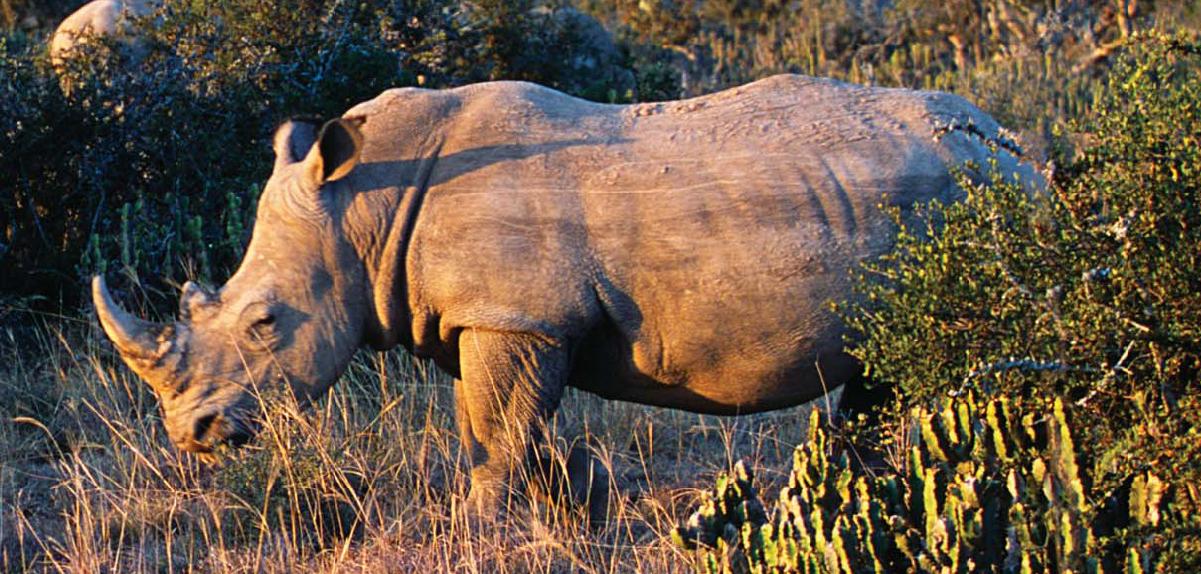
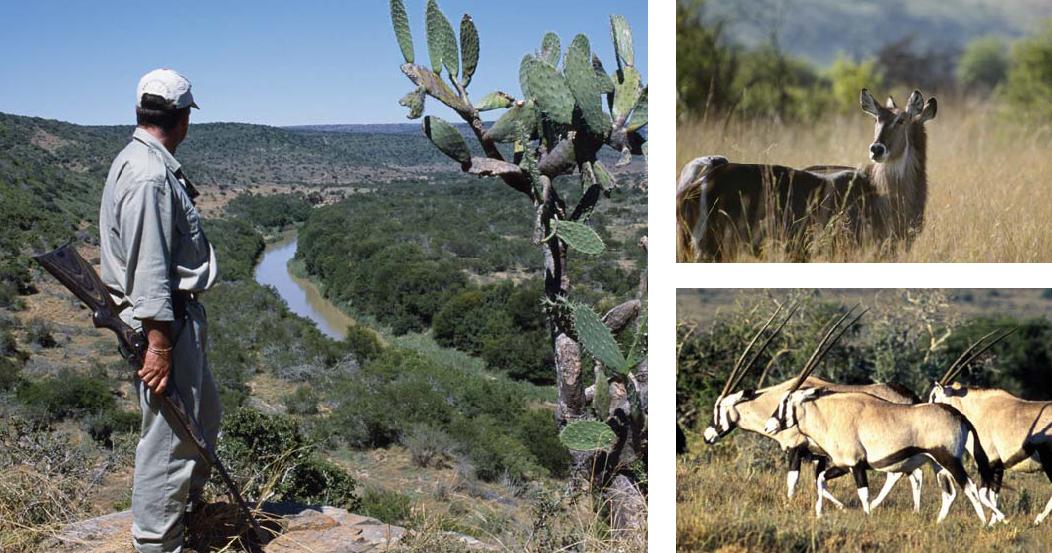
Looking out over the Kwandwe, I had a vision of South Africa’s Eastern Cape before the early settlers changed the landscape. Herds of noble gemsbok sent up clouds of dust as they galloped away across the veldt. Lines of black wildebeest traipsed past us like grumpy old men, their long faces set with their trademark lugubrious expressions. Ostriches flounced about, ruffling their skirts like can-can girls. A cheetah sat with perfect poise in the shade of a small acacia, surveying the Fish River Valley below. There is nothing like experiencing nature up close and personal. Seeing wild animals so close is a scary but exciting experience. Seeing these wild animals so close, will stir up fear, excitement and awe. It is like nothing you can ever describe or even begin to imagine until you try it for yourself. Our guide, Andrew Mortimer, led the way to the water’s edge. Among the mass of spoor, he pointed out the pugmarks of lion, the long cloven hoof prints of giraffe and the broader heavier imprint of Cape buffalo. A rustling amongst the grass made us look up. A leopard tortoise slowly lumbered up to within a few metres of us before retreating into its shell. Driving on through the rolling country, Andrew located a group of white rhino. We sipped our sundowners and listened to his tale of how the rhinoceros got its horn, as we waited for the sun to go down. Night-time game drives are often over-rated, but our journey back to the lodge was enchanting. Our African tracker, Solomon, picked out a Disney-esque cast of new characters with the spotlight. Spring hares bounced away like mini kangaroos; nightjars fluttered up in front of us like angels from the warm dusty track; aardwolf slunk through the undergrowth and the chance of spotting an aardvark, a form of primeval ant-eater with enormous ears and a comically long snout, had us on the edge of our seats.

Andrew’s piece de resistance was to wind up a cheeky genet cat by imitating the plaintive squeaking of a mouse, which drew the genet right up to the side of our vehicle Next day, Andrew asked if I would like to watch the release of the last animals to be translocated to Kwandwe. From our safe vantage point on the roof of the huge container truck we looked on as the translocation team raised the tail-gate and five hippopotami tripped down the ramp, paused to sniff the air of freedom and charged along the narrow chute that channelled them towards the dam before launching themselves into the water like unstoppable submarines. Standing beside me was Angus Sholto-Douglas, Kwandwe’s reserve manager. For Angus this moment was the final realisation of a dream that began as a chance encounter four years previously. He and his wife Tracy were head ranger and camp manager of King’s Pool Camp in Botswana when Erica Stewart, a high-flying marketing consultant, and her partner Carl de Santis, a vitamins billionaire, came to stay. For Carl it was to prove an expensive safari. He had never been to Africa before, but instantly fell prey to the spell of the bush. The two couples struck up a rapport. Over long dinners, talk became dreams, dreams became plans and, by the time that Carl and Erica left, they had commissioned Angus and Tracy to go and find them a suitable piece of land somewhere in Africa to purchase and establish their own game reserve. Eight months later, having looked at land in Namibia, Botswana and further north in South Africa, Angus settled on the Eastern Cape. The absence of tsetse fly and malarial mosquitoes had made this land perfect ranching country. Wildlife paid the price, falling prey to the settlers’ guns and fences. Gradually the land had been taken over for agriculture and wildlife was driven away. Angus proposed to reverse history by expelling the farm livestock and reintroducing wild game. Following Angus’s recommendation, Erica and Carl flew to South Africa, a country neither had visited before, and bought Kranzdrift, a 5,500- hectare ostrich and goat farm. Kwandwe was born. With ostrich farming in decline, other parcels of nearby land came on the market until they had acquired a total of 16,000 hectares. Rehabilitating the land has been a prodigious task.

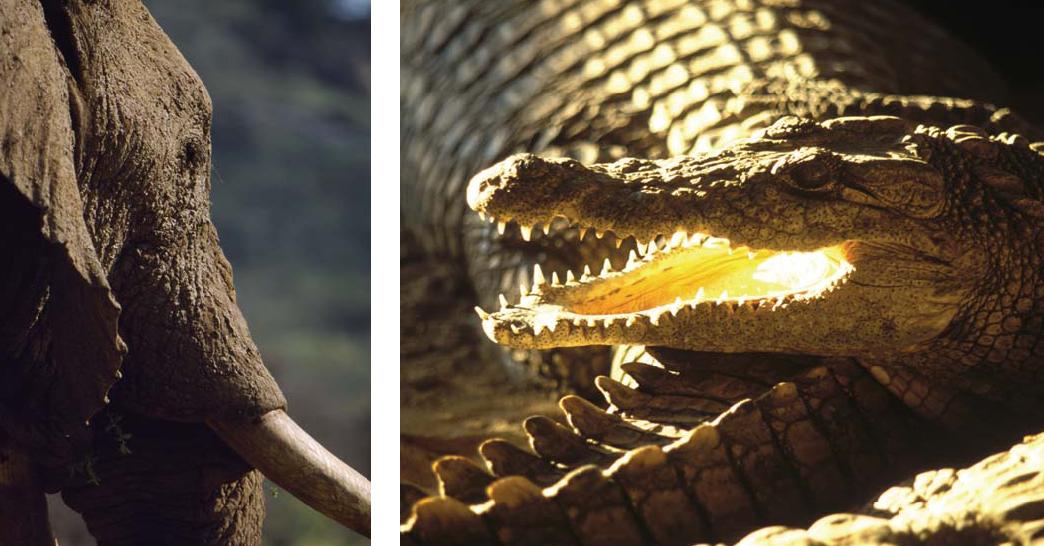
Over 2,000 kilometres of paddock fencing had to be ripped up, water towers, windmills, metal pipelines, troughs and other agricultural refuse removed. The transformation has been miraculous. Before the first of the wild animals could be released, 110 kilometres of game fence had to be erected around Kwandwe’s perimeter. Two by two they came off the translocation team’s lorry: the plains game first – wildebeest, zebras, springbok, giraffe and blesbok; then black rhino, white rhino and disease-free buffalo. A year later the prestige species were re-introduced: elephant, lion and cheetah (leopard had somehow survived the settlers). Now we were watching the arrival of the last of a staggering 7,000 introduced animals, the hippos. Buying and selling wild species in a coordinated market place, introducing animals to fenced areas too small to function as natural ecosystems, controlling game stocks and at times even grooming habitat to facilitate game viewing, can appear invasive. I have visited many private reserves in South Africa that feel more like a wildlife theme park than a genuine natural environment. Kwandwe has not fallen into that trap. The land has reverted to near-pristine wilderness in a remarkably short time, the perimeter fence is unobtrusive and the animals appear comfortably settled in their new range. The limited area of the reserve may not allow for natural migration patterns, but if Angus’s long-term vision is realised and more land packages are added, Kwandwe may become the kernel of a rehabilitated Eastern Cape ecosystem.

Hotels and Resorts in South Africa

Kwandwe Private Game Reserve in the Eastern Cape has three exclusive safari lodges, each offering great Big Five viewing. Kwandwe main lodge is set along the banks of the Great Fish River and has nine suites with private plunge pools and thatched game viewing decks. Uplands Homestead is a restored farmhouse of three en suite bedrooms with private terraces. Kwandwe Ecca Lodge has six suites.
Satara Restcamp in the centre of Kruger National Park recalls the colonial past in its architecture and offers the best chance of spotting lion, leopard and cheetah.
Phinda Forest Lodge is all about luxurious and clean modern living in the heart of the Kwa-Zulu Natal bush. It comprises 16 spacious, glass-encased bungalows built on stilts in a vast private game reserve, together with viewing decks that afford panoramic views across the game-filled plains. It’s also just 30km from the white beaches of the Indian Ocean.
Hluhluwe River Lodge contains 12 exclusive thatched chalets, dotted around a pretty indigenous garden,
each with its own viewing deck over the Hluhluwe River floodplain and False Bay.
Lebombo Lodge is another luxurious Kruger safari haven, built on steep terrain in a picturesque corner of the park. The individual suites have floor-toceiling windows, ensuring the rooms are full of light and dramatic views. Meals are served in a traditional reedenclosed boma around a log fire.

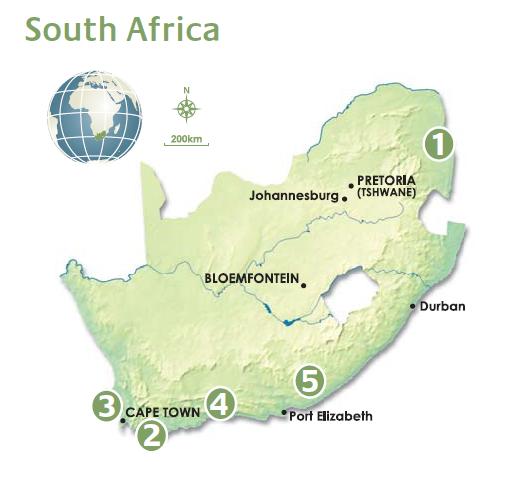
Top destinations in South Africa

  1. Kruger National Park One of Africa’s best game parks, and one of the few where you can drive yourself around. So take to the back roads of this reserve the size of Wales, and enjoy fabulous wildlife and excellent accommodation – from campsites to luxurious cottages.
  2. Stellenbosch Relax and unwind in the heart of South Africa’s wine industry, home to over a hundred cellars, most of which are open to the public.
  3. Capte Town Ride the cable car to the top of Table Mountain for views across this beautiful seaside city. Then wander to the Victoria & Alfred Waterfront for shops, museums, aquaria and street entertainments.
  4. Garden Route Journey along the beautiful southern coast, a wonderful area for beaches, birdwatching,
    dolphins and whales.
  5. Kwandwe A new and luxurious private game reserve, as described in our main feature.

Turo de Vilana

Turo de Vilana,
Vilana, 7, 08017 Barcelona
(Rates 80€ -90€)

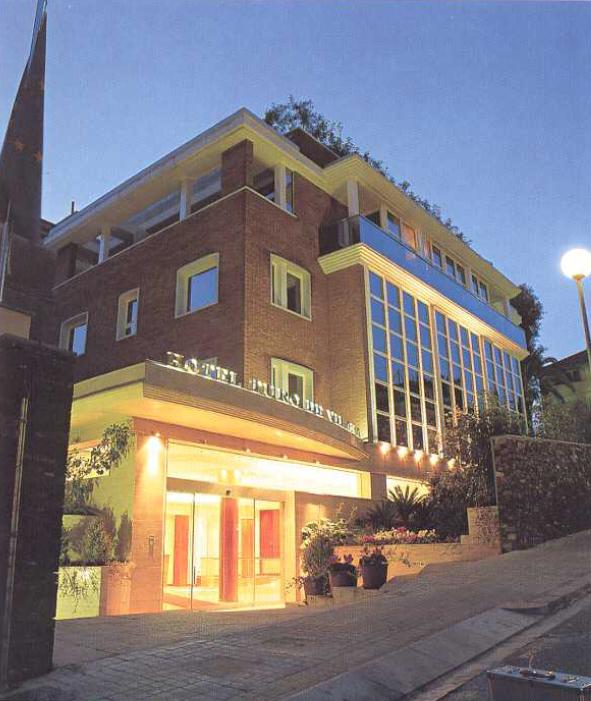
Hotel Information: Turo de Vilana is located on a small site in a residential district of Barcelona. In this case, the dimensions of the site are an essential determinant in the configuration of the building, making it necessary to locate the common areas of the hotel on two floors. Due to the slope of the street, in order to liberate the maximum amount of space for bedrooms these floors are treated as basements, with the limitations of illumination that this involves. For this reason the access to the hotel is located at the lowest part of the site. It consists of a walkway over the space of the lower floor, thus creating a single volume that interrelates the common areas of the two floors. Several services of the hotel are located on the access floor. They are defined spatially by the use of varied materials that mark the change of use chromatically in order to avoid the creation of small closed in spaces. To facilitate the integration of the access floor and the lower floor and to achieve a permeability between the two, the handrail that defines the double space was made in glass.

Room Information: The rooms – 22 in total – are located on the upper floors. All of them have clear human dimensions and seek maximum comfort for the client. They are characterised by the use of warm materials such a wood and marble in the bathrooms.

Rates: 80 – 90 Euro

Hotel Facilities:

General Restaurant,  Bar,  24-Hour Front Desk, Newspapers, Non-Smoking Rooms, Elevator, Safety Deposit Box, Heating

Activities Jacuzzi

Services Room Service, Meeting/Banquet Facilities, Laundry, Breakfast in the Room, Tour Desk – Fax/Photocopying

Sheraton Miramar Resort El Gouna

Sheraton Miramar Resort
 El Gouna , Hurghada, Egypt
(Rates from 150 $ )

Hotel Information: The Sheraton Miramar Resort Hotel in Hurghada is a 338-room resort hotel meeting the standards  of a 5-star hotel. The hotel, operated by the Sheraton Corporation, includes two restaurant with bars, and exciting pool area including a themed pool, exercise pool, and childrend´s pool area, and hotel grounds featuring lagoons and canals. The hotel project site is an approximate area of 150,000m2 located of the Red Sea. The Red Sea is to the east, a lagoon to the west, and channels connecting the lagoon to the Sea are located to the north and south edges of the site. The design for the hotel ground takes further advantage of the sea water as a landscaping feature. A series of connected canals and lagoons allow each guestroom to have a waterfront position. The character of the buildings in massing, materials, facades and interior furnishing and decoration is an interpretation of Egyptian traditions. Vernacular styles are used to give the impression of an Egyptian village made up of individual units differentiated by colour, height, domes, arches and columns. The design received an award from the American Institute of Architects, New Jersey Chapter in 1996. The architecture of the complex is a reinterpretation of traditional Egyptian architecture based on the construction of small, seemingly independent units thanks to a skilled handling of the volumes and a wide range of colours.

Category: *****

Room Information: 338 rooms Buffet breakfast, VAT, service charges, city tax included in room rate.

Rates: from 150 $

Hotel Facilities
General
Restaurant – Bar – 24-Hour Front Desk – Non-Smoking Rooms – Safety Deposit Box – Shops in Hotel

Activities
Sauna – Fitness Centre – Golf Course (within 3 km) – Massage – Children’s Playground – Tennis – Windsurfing – Turkish/Steam Bath – Diving – Snorkelling – Outdoor Swimming Pool

Services
Room Service – Airport Shuttle – Business Centre – Babysitting/Child Services – Barber/Beauty Shop – Currency Exchange – Souvenirs/Gift Shop – Car Rental

Grand Hyatt Berlin


Grand Hyatt Berlin
Marlene-Dietrich-Platz 2,
10785 Berlin
(Rates 200 €-400 €)

Hotel Information: The Grand Hyatt Berlin is anchored in Potsdamer Platz´s new development, built to restore the square and convert it into the new financial district of the city. During the nineteenth century Potsdamer Platz was one of the most popular walking spots in Berlin and during the 1920s one of the busiest squares in Europe . After its near complete destruction during World War II and the erection of the Berlin Wall, it become a no man´s land. The powerful presence of the hotel, marked by the solid mass of its volume is a reflection of the city´s history of cosmopolitan architecture. From the exterior the large arcades and the detailed work in sandstone and the red brick stand out. In the interior a restrained and elegant style prevails through the use of a contemporary approach and outline-edge elements.  Purely decorative effects have been avoided in order to put more emphasis on objects that accentuate the building´s architectural context. In the entrance are two large eye catching inverted glass pyramind that hang from the celling producing light and shadow effects over the course of the day. Stabs of illuminated alabaster and a work of art by artist Cerdid Millar dominate the main wall. A dark marble staircase leads to the banquet hall.

Guests review score: 9,1/10 (of 23 reviews)

Room Information: 342 Rooms and Suites, Luxurious bathrooms fitted with flat-screen TV, High-Speed Internet access

Rates: 200 – 400 Euro

Hotel Facilities

General Restaurant, Bar, 24-Hour Front Desk, Terrace, Non-Smoking Rooms, Rooms/Facilities for Disabled Guests, Elevator, Express Check-In/Check-Out, Safety Deposit Box Luggage Storage, Gay Friendly,  Designated Smoking Area.

Activities Sauna, Fitness Centre, Solarium, Spa & Wellness Centre, Massage, Indoor Swimming Pool.

Services Room Service, Meeting/Banquet Facilities, Airport Shuttle, Business Centre, Babysitting/Child Services, Laundry, VIP Room Facilities, Breakfast in the Room, Bridal Suite, Shoe Shine, Packed Lunches