Amanwana, Indonesia

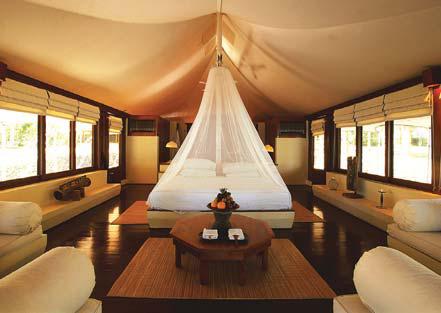
It´s a long hop, skip and hump to get all the way to Amanwana resort on Moyo island. A flight from Bali to Lombok, another one to Sumbawa, and then an hour by boat. All this, just to get to some tents on a jungle-covered island. I have doubts. But when the resort boat turns up, it’s a cruiser, and the champagne flows as we skip over the blue-black shades of immensely deep sea. Flying fish leap alongside, the spray left in our wake sparkles in the sun, we’re in the middle of nowhere – which always gives me a heady rush – and I begin to think that the tents might be alright after all. And they are. There are just 12 of them, each at the end of a winding sandy path. Some are by the beach, others strewn under the canopy of a deep and lush jungle. They are all utterly luxurious, in the best way – understated, elegant and deeply comfortable. Each has a polished floor of smooth hardwood, a king-size bed and a state of the art bathroom. These are not shaky canvas ridge-tents pitched by woggle-wearers, they’re more like marquees with walls. In each tent, a sitting area is adorned with Indonesian carvings or other artworks and lined with vast divans – perfect for lazing or for gazing through the huge windows. These present the only sort of difficulty here – which view to choose: the varied greens of unspoilt tropical jungle, or the changing blues of the Flores Sea?

It’s a hard call. Everything else is easy. The staff are so sussed, the surroundings so seductive, that it’s impossible not to feel pampered, even without visiting the massage area under tamarind trees just off the beach. Mind you, some Amanwana activities make a massage a good idea at the end of your day. There are hikes deep into the forest, to see deer, monkeys, wild boars and a series of waterfalls that cascade into terraced pools. Then there’s diving and snorkelling off the beach. Just metres from the shore, the reef wall falls away so suddenly and steeply that you feel as though you are falling through space into another world. Behind you the water is warm and clear: ahead chilly indigo depths beckon, home to sharks, rays, turtles and flamboyant fish. Beyond that, there’s deep-sea fishing, on a boat that rocks as a feisty black marlin ducks and dives, determined not to hit the deck. It is released as soon as the long fight is over. But a smaller tuna is taken ashore, to the open-air pavilion that is our restaurant, and served up as the freshest, finest sashimi. All these activities merit a massage as the sun begins to fade out. And the person who created this retreat merits a medal.

Almyra

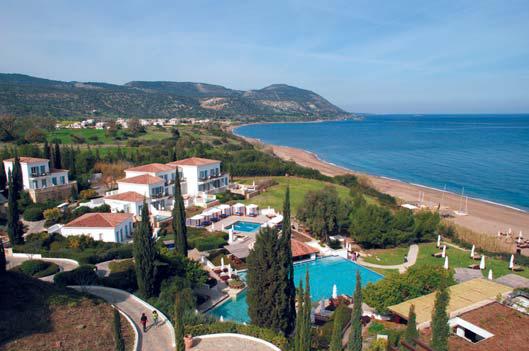
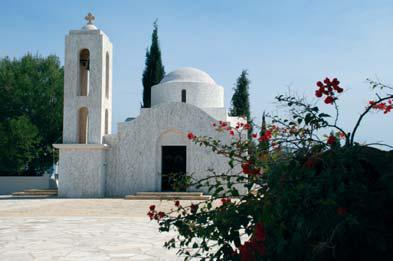
Ever since the days of aphrodite, Cyprus has been a home to beauty, love and laughter.Yet one empire or another dominated this third-largest Mediterranean island until 1960,when the British finally ceded control.Tensions between the island’s Orthodox Christian Greek and Muslim Turkish communities soon flared,until the island was divided in 1974.Today,calm has returned, and with it, those old qualities of beauty, love and laughter are more prominent than ever. Of the southern,Greek-controlled,portion of the island, it’s the north coast that has most recently been developed for tourism. Here the Anassa Hotel perches on a hillside, just outside of Latchi, moments from the water’s edge. From afar, the complex looks like a traditional Greek village – all whitewashed villas and terracotta-tiled roofs, complete with its own Byzantine-style church. Opened in 1999, the hotel, for all its traditional styling,is awash with modernity.The cool, airy rooms are filled with all the usual mod-cons and king-sized beds, while each has its own private balcony looking over the fragrant gardens or out across the infinity pools to the sea and an unblemished horizon. The marble bathrooms are a generous size, with space for a bath and walk-in shower.Some rooms allow the bather to look out of their windows to the sea beyond,while others have small whirlpools on their private terraces,perfect for that late-evening romantic dip. Unsurprisingly, these rooms are known as the Aphrodite and the Adonis. Off the marble-floored main stairway are a choice of restaurants and bars,offering everything from silver service to a buffet selection. A quieter,more secluded restaurant, limited to 20 or so diners,offers the full gourmet experience.

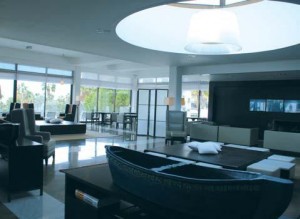
Away from the main building are a number of low-lying small villas. Guests staying here are welcome to visit the bars and restaurants of the main building, and to mingle with the other guests around the infinity pools,but these villas are totally selfcontained should they wish not to – and some even include their own private infinity pool. For a five-star and award-winning hotel however, the spa at Anassa is not quite up to standard. While it’s always pleasant to spend time in a hotel spa, this one is just a little rough around the edges – with a concrete,rather than tiled,surround to the pool, a rather small sauna with a pokey changing area,and an uncomfortable jet pool. Elsewhere in the Thanos Hotels stable is the Almyra, in Paphos on the south coast.This smaller hotel has recently been refurbished and its spa facilities are still under construction – though this does not impact on guests. The Almyra features a much more minimalist and modern feel, offering simple rooms with bespoke furnishings and an emphasis on making the most of the stunning view.Some rooms have private terraces just a stone’s throw from the water,others a small balcony, and those that can’t have either do benefit from floor-to-ceiling windows that slide fully open,making the room itself feel like a balcony. Those rooms in a separate complex offer private roof terraces, from which you can survey the hotel grounds – eight acres of landscaped garden, the freshwater pool and views across the bay towards the harbour of Paphos.

Like Paphos itself, this ultra-chic modernist hotel comes with personality.This is the hotel that Blofeld would build, should he ever give up being a criminal mastermind to become a hotelier. But I do believe he’d have chosen to make some changes to the immediate surroundings. Because this hotel is not quite as all-encompassing as the Anassa, guests may well want to go exploring.But just across the road is a strip of tacky bars and restaurants, the first of which advertises itself in big bold letters as a topless bar – which is not perhaps the first thing you want to see when leaving a family hotel. That aside, both hotels do offer fantastic facilities for families with small children.Their Baby Go Lightly service means that guests can leave home unencumbered,having requested the hotel staff to supply them with nappies,pushchairs,monitors, bottles and colouring books as necessary.Furthermore,swimming and tennis lessons can also be booked for older children, to give the parents some welcome respite. For they too will find,at these sister hotels,plenty of the beauty, love and laughter that Cyprus has hung onto during its often difficult history.Paphos is after all, the legendary birthplace of Aphrodite.

Almyra
Poseidonos Avenue,
CY-8042 Paphos
 

Peshawar

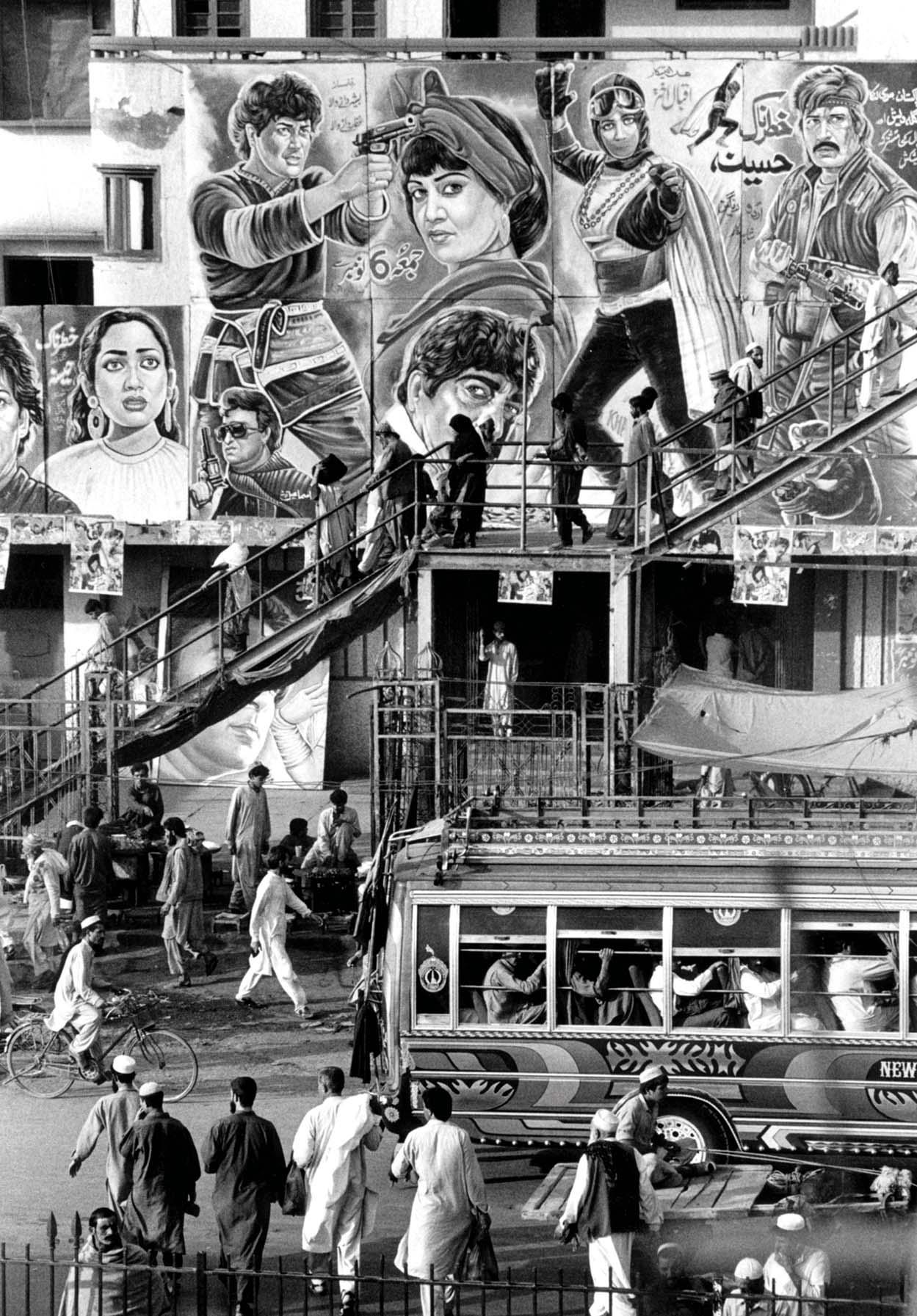
Peshawar: It was November and cold winds were beginning to sweep down from the mountains. A photographer and I were heading up to the valleys of the legendary pagan Kalash tribes,near Chitral. I needed a chaddar, one of the rough woollen shawls that Pathan men wear around their shoulders and sometimes round their heads.These double as blankets, pillows, tarpaulins and even as swaddling for babies. I wanted one partly for the cold nights in the valleys,but also to make me less conspicuous as a foreigner on our drive north through Pakistan’s rugged tribal areas. This meant a trip into Peshawar’s Old City, from our guesthouse on Railway Road. The modern bazaars in the University and Cantonment areas of Peshawar are fine for buying batteries, sim cards or books,but for traditional Pathan clothing you have to enter the strange medieval world of the Old City. We went at night.Peshawar has long been in the grip of what the local papers call ‘the late night shopping craze’,which they blame for shortages in electricity.

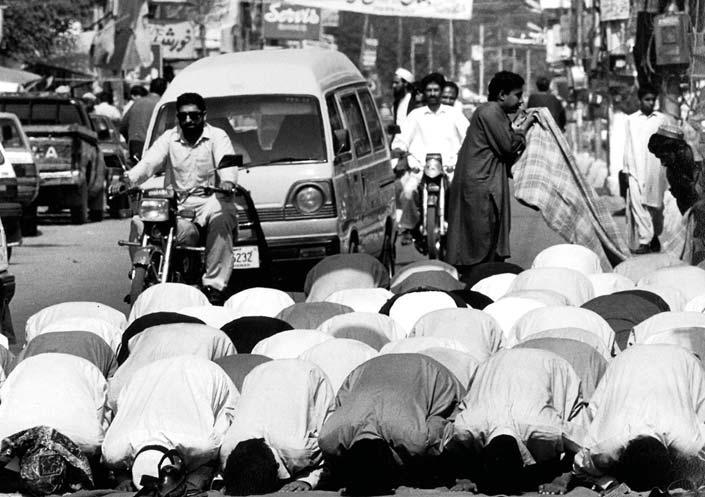
The racket of poorly maintained motorcycle engines and vehicle horns is incessant. Unlike the ordinary shopping precincts of the city,here almost everyone is bearded, and no one wears Western clothes. Women,a rarity in the daytime – and all but invisible then beneath burqas – are completely absent by nightfall. Peshawar is not only the capital of the North-West Frontier Province, it is the headquarters of Pakistan’s pro-Taliban fundamentalist party, the mma,and place where ultra-conservative Islam and harshly ascetic tribal tradition sit uneasily with the modern world of cinemas, tourism, stores selling music CDs,and even Chinese restaurants where unveiled women serve male customers. All of the latter have provoked demonstrations and bombs in recent years. In the Old City, the bristling masculinity of the Pathans colours every encounter. Testosterone fogs the air, alongside diesel fumes and the aroma of kebabs darkening over glowing coals. If you are a guest of a Pathan, it is his duty to protect and provide for you:and sudden acts of generosity can cut through the atmosphere of suspicion. As I looked longingly at a stall selling figs and nuts, the owner thrust a heap of samples into my hand. Looking for a chaddar stall,we passed a spice bazaar,and another where all the stalls sold pots and pans.
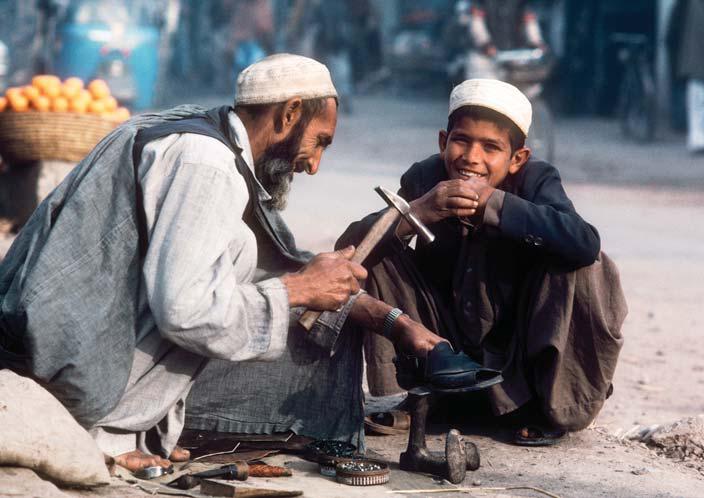
The most famous bazaar of the Old City is the romantically named Qissa Khwani, or Storytellers’Bazaar.Most of the teashops, or khawe-khanas,where travellers once told tall tales,have gone,replaced by tatty luggage stores.But behind the lurid signage and thick bunches of telephone and electric wires, there are finely worked wooden balconies, and the shape of the bazaar is still as laid out by an Italian mercenary general for the Sikh kings before the British came in 1849. Itinerant carpet sellers wander among the stalls, their wares slung across their shoulders in the same way as so many of the Pathans sling their rifles, once they are beyond the gun ban now enforced within the city limits. Beyond pots-and-pans alley we found an open shop on a corner, shawls piled up in shades of brown and grey.The smell of lanolin filled the stall, the woollen mounds rising up to the ceiling, lit by naked bulbs.The grey-bearded owner adjusted his cap as we entered, and his younger assistant looked up at us from where they sat barefoot and cross-legged on the floor.A boy of about 12 sat guard on a chair outside the store. As we unfolded the long,wide shawls, the assistant took a series of calls on his mobile, pausing only to order the boy around. The owner, the assistant and the boy did not smile during inspection or purchase. It was only when I tried to wrap one of the shawls around my shoulders, Pathan-style, that they laughed. We did too,and the temperature changed.
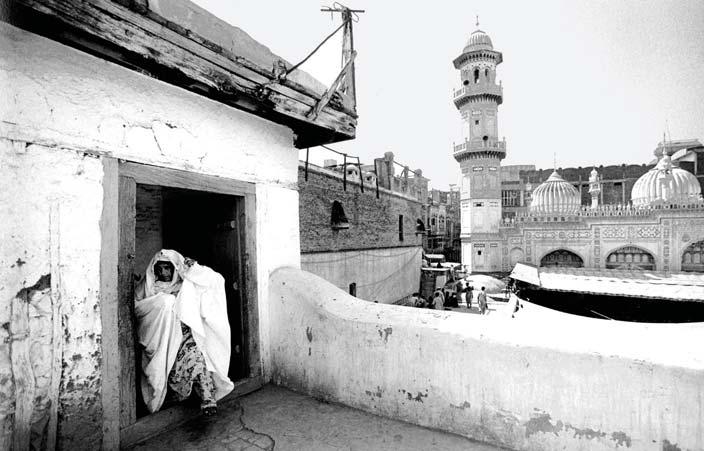
As we left the Old City, driving past the massive Bala Hissar fort built by the Moghul emperor Babur, then the calm gardened precincts of the Britishbuilt cantonment, and finally onto the road that heads out to the Khyber Pass, Peshawar’s history felt very much alive. Unfortunately the visual evidence of Peshawar’s romantic past is under threat. Heroin money, remittances from the Gulf, and the rapacious ‘frontier timber mafia’ are rapidly transforming the face of the city. New shopping plazas go up every month.The fort, the cantonment and the biggestVictorian Gothic buildings, like the Peshawar museum,are probably safe from demolition.But the smaller structures that give evidence of Peshawar’s past are not. City gates, Mughal gardens, the old Afghan Jewish serai,ancient papal trees and the oldest British cemetery,have all disappeared in recent years.Virtually the only greenery left in a city once famous for its flowers and gardens is in the cantonment area, and even that is under threat.Deans, the city’s famous colonial-era hotel,a notorious haunt of spies and journalists during the Soviet-Afghan war,was knocked down almost overnight in 2006 to be replaced with yet another shopping mall. This provoked a stalwart group of Peshawaris to form preservation organisations like the Frontier Heritage Association. It has saved the Mohfiz Khana, a 150-year-old court building still piled with yellowing property deeds,and the trees along the cantonment’s wide mall.But preservation laws go generally unenforced,and anyone who wants to see Peshawar’s remaining Raj and pre-Raj monuments should go soon.
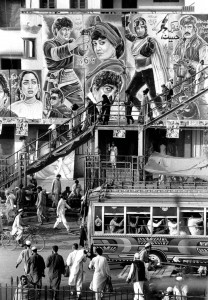
Increasingly Peshawar looks,smells and sounds like any other noisy polluted South Asian city:low-slung concrete blocks,luridly coloured,hand-painted hoardings,and dust that turns into mud after the rains. But Peshawar does feel different. Somehow you always know that you are at the end of the line.Peshawar is the terminus of the ancient Great Trunk Road that runs all the way from Calcutta, the final stop on the main branch of Pakistan’s railway, and the last city under the control of a functioning state for hundreds of miles.There is a palpable sense that this is the furthest reach of settled civilisation and the gateway to a genuinely wild west.The comforts of Peshawar may not be much,and there may be the occasional bomb or riot, but compared to what lies beyond it represents order, safety,even luxury. This has been so for centuries – the name Peshawar means ‘Frontier Town’ in Persian – and will be so for as long as the tribes along the Afghan border remain armed and unconquered.

Top destinations in Peshawar
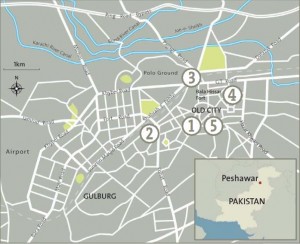

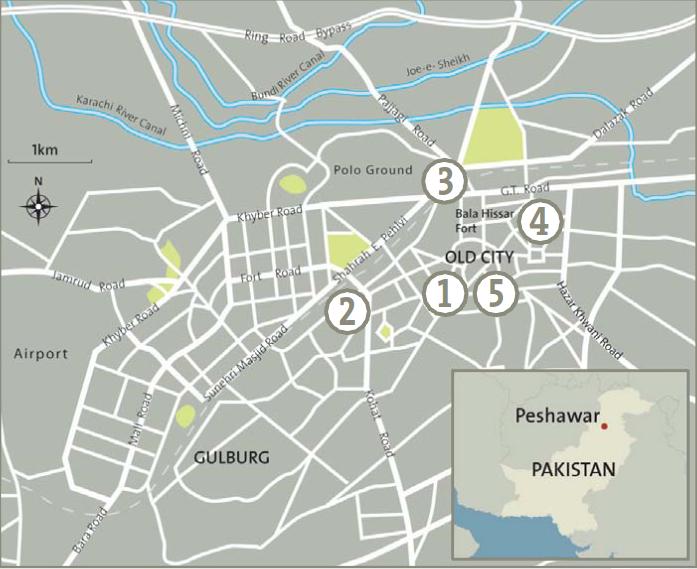
1] Qissa Khawani Bazzaar Fruit stalls provide vibrant colour in this busy market. There are also aromas of bread, kebabs and tikkas sizzling on hot coals.

2] Peshawar Museum The imposing building displays collections of Gandhara sculptures,images of tribal
life, coins,manuscripts, copies of the Koran,weapons, dresses and jewellery.

3] Bala Hissar This mighty fort, built by Babur,the first Moghul ruler, is positioned on the approach to Peshawar from Rawalpindi and the Khyber Pass. Foreboding battlements and ramparts kept angry hordes at bay.
4]  Mahabat Khan´s Mosque A small entrance in the middle of Ander Sher Bazaar leads to this beautiful Mughal structure built in the 1670s.Two minarets look over an open courtyard with an ablution pond.

5] Chowk Yadgar Old Peshawar’s central square is a great place to meet friends and regain your bearings after wandering the small streets. The central monument commemorates the 1965 war between India and Pakistan.

Khan Club Hotel Located in the oldest part of the city and dating back 200 years, the recently refurbished Khan Club is luxurious and well loved for its food.

Greens’s Hotel A centrally located hotel that goes easy on the wallet. Drinking tea in the enormousatrium, where vine s dangle down the walls, is a nice way to end a hard day exploring the city.

Rose Hotel Situated at the Khyber Bazaar, this is one of the best and most luxurious hotels in Peshawar, with well trained staff, good food,as well as conference and meeting room facilities.

Pearl Continental Renowned for its service, this six-story hotel is close to the famous Bala Hissar Fort.
Hotel Olathang, Bhutan

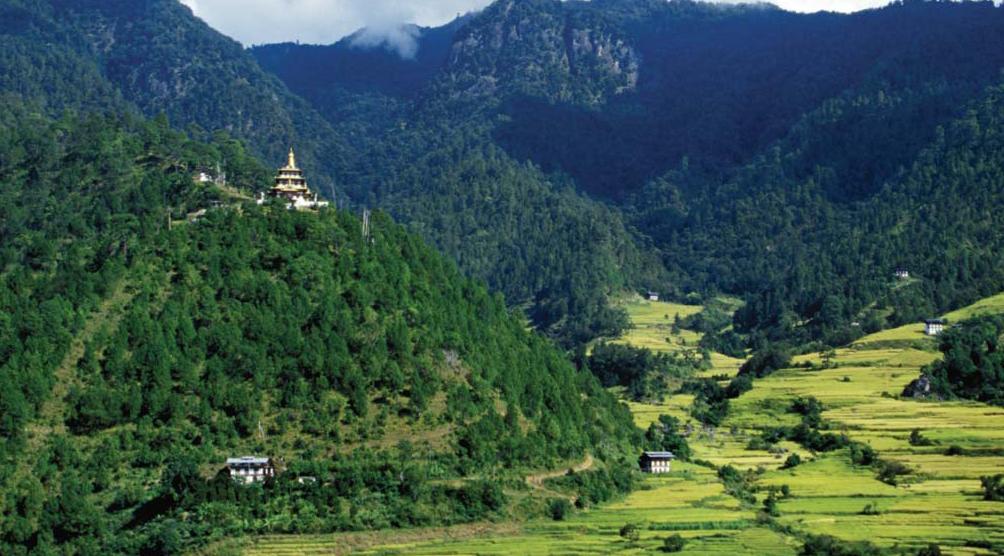
Surrounded by blue pine forests in the hills overlooking a lush valley in the secluded Himalayan kingdom of Bhutan is a hotel – literally – fit for a king. The Olathang, on the outskirts of the town of Paro, was built in 1974 for guests invited to the coronation of His Majesty King Jigme Singye Wangchuk. The occasion marked the first time that Bhutan’s doors were opened to the world. As 287 foreigners arrived in a little-known land unused to visitors, several new hotels were constructed to accommodate them. The Olathang was among them. Sprawling over 45 acres of wooded land, this is Bhutan’s largest hotel and one of its best. Its white, fortress-like structure has 24 rooms and 6 suites in the main building, which also houses the reception areas, restaurant and bar. But the best accommodation is in 32 traditionally built wooden cottages dotted around the grounds. These elegant sugar-cubed cottages – rather like Swiss chalets – are beautifully decorated with various symbolic patterns including the national flower (the blue poppy) and the eight auspicious signs of Himalayan Buddhism. Their whitewashed walls contrast with dark wooden rafters, while bright murals emphasise the balance between secular and spiritual worlds that is integral to Bhutanese society. One design shows the male and female dragons that give the country its local name, Druk Yul – the thunder dragon. These clean and cosy en suite rooms have Western-style bathrooms and warm, comfortable beds ideal for uninterrupted slumber after days of hard trekking.

They also offer necessary sanctuary from the unpredictable mountain weather. But their most impressive feature is their balcony, a great place to enjoy the pure air and wispy silence of the enchanting Paro valley below. Through the pines you’ll catch a breathtaking view of  snow-capped peaks sweeping down to verdant paddy fields planted like patchwork along the fertile valley floor. Clumped farmsteads, reminiscent of Japanese temples, dot the horizon, and willow trees line the banks of the Paro River. Dominating the skyline are the mighty dzongs, sturdy fortress-monasteries built to protect the country from enemies long ago. To reinforce the feeling that Bhutan has one foot in the past and one in the future, you can wander back into the main building and see members of the hotel staff dressed in traditional Bhutanese costume. But this is not a tourist gimmick: the male gho and female kira are still worn throughout the kingdom. The Olathang will never score highly on international hotel ratings, but it’s a great place to sample this special country. It’s authentic, charming and luxurious. And in terms of setting, you’d be hard pushed to beat it. As the king who opened his country to the world once said: “I am not as much concerned by the Gross National Product, as I am about the Gross National Happiness.”

Hartwell House

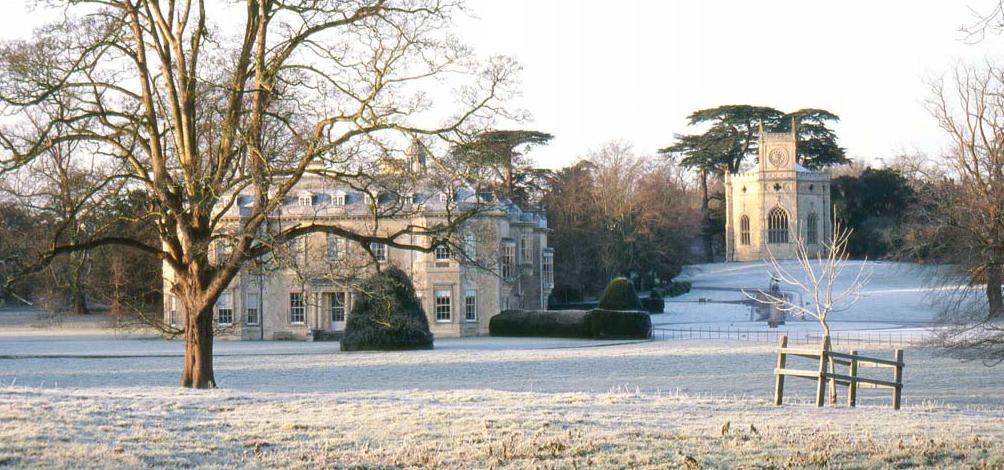
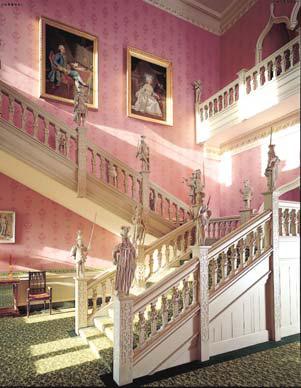
Hotel Information: As royal residences go, Hartwell House is on the modest side: but as country house hotels within 30 minutes of the M25 go, it is quite unique. A seventeenth-century stately home set in 90 acres of parkland, where cows graze beyond the ha-ha and swans float on the lake, Hartwell is an oasis of calm and elegance within striking distance of the bustle of London. It is worlds apart. And its rare mix of convenience and grandeur have made it an ideal spot for VIPs such as President Clinton to base their visits to the capital. But Clinton was not the first, nor the grandest, guest of honour here. In the dark days of the French Revolution, the younger brother of Louis XIV escaped from Paris disguised as an Englishman and – after time on the run in Germany, Italy, Latvia and Poland – sought sanctuary in England. In 1809, with help from the Marquess of Buckingham, he made Hartwell his base for the duration of his exile. Perhaps he was attracted by the almost French severity of its classical architecture, or the incredibly grand mainstaircase, where Jacobean statues of soldiers salute you as you ascend. Certainly he liked the closeness to London, from where a stream of politicians and plotters visited him.

Whatever the reason, he installed 140 courtiers and servants in the place, had vegetables grown for the table and chickens and rabbits kept on the roof. It was here – actually in what is now the hotel bar – that news arrived in 1814 of the fall of Napoleon and the restoration of the French monarchy. In the old library he signed the document confirming his succession to the throne. And from the Great Hall he departed to become king Louis XVIII of France. The hand-to-mouth existence of the French court-inexile must have made Hartwell feel rather more crowded than it does today. Since being converted to a hotel in 1989, it has been redecorated in a spacious neo-Georgian style, with oversize four-poster beds in most of the bedrooms. But many original traces of the period do survive, particularly in the grand library, where wildly ornate plasterwork from 1759 surrounds tall bookshelves fronted by the finest rococo wire-work in the country. The Great Hall is as created by the distinguished architect James Gibbs in 1740, with a vast neo-classical scene on the ceiling and royal portraits topped with plaster swags and birds. And the gardens are graced with buildings by Gibbs. Even the more recent additions, catering for the demands of modern guests, are suitably Georgian. The swimming pool is a mock-Regency delight, flanked by classical statues and urns. And the dining room is modelled on one that Sir John Soane designed for Number 11 Downing Street. The cooking, on the other hand, is utterly up-to-date and utterly enjoyable. After all of which, a plate of petits fours beside a fluttering fire in the shadows of the library is a delicious ending to a splendid day. In such a setting, you could indeed feel like a king.

The Pfister Hotel, Milwaukee

Hotel Information: What made Milwaukee famous was brewing beer. And manufacturing. And Happy Days:a giant statue of The Fonz is due to be unveiled sometime soon. Despite all this, the city had never been on my ‘must visit’ list. So I’m glad a wedding took me there, for this Midwestern town, with its unspoilt lakefront, a historic old quarter brimming with excellent cafes and art shops and charming,extremely friendly citizens was unexpectedly delightful. The hotel I was booked into turned out to be a treat too.The Pfister first opened its doors to guests in 1893, and apparently the lobby then was just as elaborate and ornate as it is now. It’s a vast space, and all the Victorian art and potted palms that line it barely make a dent on the space. A lofty ceiling embellished with a fresco hovers above a cornucopia of gilt,sculpture, oil paintings… it’s all very old-fashioned, like a very old-European grand hotel. That’s not to say the place is lacking in modern touches. A pianist plays classics in the lobby bar, while in the Mason Street Grill it’s all jazz and recent pop. There are some old suites dating back decades, complete with Victorian fixtures and marble bathrooms, and rooms with cool contemporary comfort in a more recently built tower block.There are also elegant ballrooms designed for waltzing and a state-of-the-art spa. The concierge was very old school,with impeccable manners and super advice, the cocktail bar on the 23rd floor is very now – serving up martinis and a super view. Sitting up there, dreamy drink in hand, looking over Lake Michigan as dusk fell and downtown lit up, is filed away in that surprisingly long ‘glad I was here’list of Milwaukee memories.

Neemrana Fort-Palace, India

“Wherever you go in India, there´s amoment,” my friend Phil said, as we shared a  sunset drink on a walled terrace overlooking the vast stretch of flat Rajasthani countryside below. More often than not, in a land of vibrant colours, intoxicating smells and overwhelming sights, these ‘moments’ are energetic. But Phil was spot-on. As the burning sun descended though dusty haze and beyond the horizon, hues of burnt umber folded softly on the stone-work around us. A myriad of artificial lights sparkled across the nearest buildings. This was indeed a special moment. Our location for this spectacle was Neemrana Fort- Palace, India’s oldest heritage hotel, built on a high plateau just off the main road from Delhi to Jaipur. The fort dates back to 1464. Restored in the late 1980s as a hotel, its historic structure has been skilfully rebuilt and renewed, with carpets, hangings, light fittings and antique furniture, fashioned by some of India’s best craftsmen. New wings, courtyards and terraces have been added in an imaginative neo-Rajput style. Warren-like corridors dip and turn through 10 levels.

Arcaded reception halls and dining rooms, bedrooms and private balconies, lush green gardens and even a Roman-style amphitheatre – for performances of traditional Indian music and dance – reflect a princely hybrid of Indian and colonial design. Climb towards the top and you’ll reach one of Neemrana’s most alluring jewels – Raj Kund, a swimming pool set on a spectacular terrace overlooking the village below and the dusty panorama beyond. Inside the cool interior, 45 eclectic bedroom suites are named rather than numbered. The most exquisite of these is Chandra Mahal, formerly a courtroom, where actress Kate Winslet once stayed. Neemrana is very much a retreat, where guests come to unwind, practice yoga and take advantage of the Ayurvedic spa. The author Pico Iyer described it as “an enchanting and magical location”. By day, it’s a great place to while away a few hours exploring the rambling interior, sipping tea on one of the many pretty balconies, or simply relaxing by the pool. At night, food is served alfresco in the grand courtyard, with charcoal stoves beside your table to take any chill out of the night air. Despite its atmospheric and architectural splendour, Neemrana is not altogether perfect. The service can be frustratingly slow, and hidden extras may well appear on your bill. But these inefficiencies can’t detract from its rustic charms. And, of course, there’s that glorious sunset – a ‘moment’ in every sense.

Village Neemrana,
District Alwar,
Rajasthan 301705, India

The Ickworth

The rooms at Ickworth House have reverberated with some rollicking times over the last few centuries. The neoclassical country house topped with a rotunda, spreads its wings in a glorious park laid out by Capability Brown, and was once the home of the Hervey family. In those days, hedonism and a certain amount of debauchery were the norm – one legendary party lasted for 30 hours and 1,000 bottles of champagne. Now the rooms in the East Wing ring with the sound of children running about and the hedonism stretches as far as parents enjoying a drink in the knowledge that little people can be seen and heard. When they can’t be seen it generally means they’re having a high old time in the well-appointed (with qualified nannies and plenty of toys) playroom, a few doors away from a spa providing slightly more sophisticated fun for parents. Relaxation, rather than rock and roll, is what life at Ickworth is all about, now that the house is part of Von Essen’s portfolio of luxury family hotels. It’s hard for families not to relax, or rather, for parents not to relax. For children there’s too much fun to be had and too many activities to leave time for afternoon naps. Tumbling about on the giant trampoline, or darting about from one toy to the next in the enclosed garden, while grown-ups unfurl newspapers and enjoy chilled glasses of wine or meals in the open air. Or lengthy sessions in a superb swimming pool set in the former walled garden, or tennis or riding lessons, or wildlife walks. And there’s always the chance for long and complex games with all the other visiting toddlers making it up as they go along.

While all this generates a real sense of wellbeing in parents, it probably wouldn’t be quite so appealing for couples hoping for a quiet break without the excited sounds of children having a good time. Having said that, there are plenty of escapes and delights available for all grown-ups, with or without children. Funky lounges, full of unexpectedly contemporary furniture, which somehow works well with the elegant lines of the rooms provide respite, as do comfortable, chic or shabby-chic, eclectic bedrooms. (Or spacious apartments in the nearby Dower House). There are long hacks to be had from the original stables to explore the beautiful 1,800 acre National Trust Estate, with its woodland, vineyard, Georgian summerhouse, lake and church. There’s the chance to take a look at the collection gathered by the 4th Earl of Bristol, who created the house (paintings by Titian, Gainsborough and Velaquez and a magnificent Georgian silver collection are on display). And then, after bedtime for tiny tots, fine, formal dining in Fredericks, the main restaurant, while the baby listening service or qualified babysitters ensure peace of mind for parents.

The staff – from front of house to the nannies in the cre`che – are wonderful with children. And on the whole, the service was fabulous for parents too, except, once or twice, at mealtimes. Breakfast is buffet-style, so the hot options tended towards dryness, and the tables towards messiness, unless seated early. Casual meals can be taken in the Conservatory, or in the garden. If you’re sitting outside, it can take a while to find someone to ask for a drink or meal, which isn’t too terrible when the sun is shining. But to have the manager on duty in the Conservatory look pointedly at his watch when we asked for the menu ten minutes before they stopped serving lunch – and then sigh, frown and suggest we had a sandwich instead was surprising in a hotel of this standard. Without that incident, Ickworth would have scored a shiny gold star – my threeyear- old, who had a fabulous stay from start to finish, would probably have given it five. And she has outrageously high standards for someone who has only been talking for a couple of years.

Charlton House

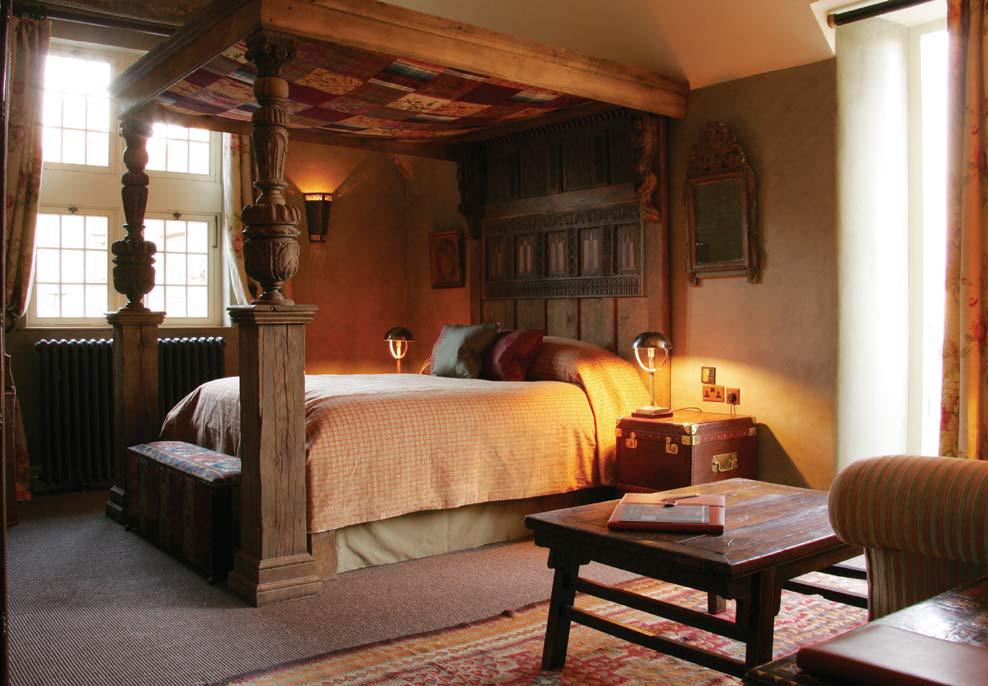
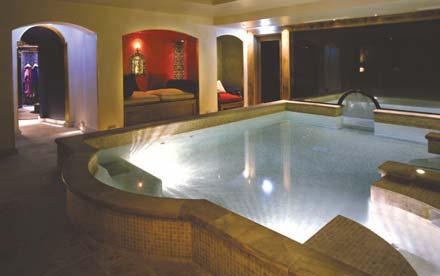
Roger Saul is a man who prides himslelf on dealing with the exquisite. The founder of the luxurious leather-goods brand Mulberry, Saul has extended his company’s ethos beyond the classic style of their products towards a total ‘Roger Saul lifestyle’ – with his own country house hotel, Charlton House, set among the rolling hills of Somerset. Based around a building that dates from the fifteenth century, the hotel’s grand and impressive façade belies the welcoming warm colours and furnishings behind the front door. Saul has added an orangery and spa since he acquired the property in 1996. The spa sits at the heart of the hotel. Its waiting room has an Arabian feel to its interior: rich fabrics, glassware, candles and furniture transport you to some exotic locale instantaneously. I half expected to spot a shisha pipe in the corner. The spa staff offer over 30 different treatments, from Indian head massage to minty-fresh facials, all of which are based on natural oils and potions, tailor-made by a local apothecary. After a massage, guests can take a dip in the pool and swim through an archway in its glass side to an enclosed suntrap of a courtyard. The pool area also houses a sauna and steam rooms. The bedrooms have French doors that lead out onto private terraces beside the pool area – perfect for summer breakfasts. All the rooms are individually named and have a unique character, but all are superbly decorated. In mine, taupe, chocolate and khaki tones blend with leather items such as a large traveller’s trunk acting as a coffee table.

A plank of distressed wood laid across two more trunks, which at first appears to be just a desk, disguises a mini-bar. The bathroom is all marble surfaces and reclaimed wooden mirrors, while a free-standing oversized cast iron bath acts as the main focus – until temptation gets the better of you, and you flick on the projector to watch any one of many DVDs available to you on the bathroom wall. Oh yes, these rooms have all the latest electric gee-whizzardry subtly built into them. It is the Michelin-starred restaurant, however, that really sets this place apart. The tables are set with white linen and silver cutlery, but their hooded kaftan chairs rekindle the hotel’s exotic yet comfortable theme. Local West Country produce is used to create a rich and enticing menu, which is lovingly prepared and presented – some ingredients come from Sharpham Park, the Sauls’ own traditionally-run organic estate. A large wine cellar, inspired by Saul’s self-proclaimed ‘love of the grape’, and a knowledgeable staff, complete the dining experience. At present Saul has no plans to expand his hotel business. But when he does, he’ll find there are plenty of us wanting to live his lifestyle.

Charlton House
Charlton Road,
BA4 4PR Shepton Mallet

Viva Mayr

Viva MayrViva Mayr
 
Seepromenade 11
A-9082 Maria Wörth
 

Hotel Information: Maria Wörth on the  picturesque bank s of the Wörthersee lake  has beocme and island of health thanks to VIVA. The stylish rebuilt hotel complex and highly modern medical facilities on a total space of 700 sqm make for vitality surrounded by attractive architecture.  Gigantic glass walls in the centre and most of the rooms make nature seem close enough to touch. The house´s beautiful garden are was renovated and features a new pier, an exclusive beach sauna with a Chinese  stone garde and a seperate meditation area. Exclusive comfort and wellness facilities make your holiday much more than just a conventional therapy and cure stay. Staying healthy is the main focus and in this special establishment , it is defined as an individual and personal attitude towards life. VIVA turns health inot a therapeutic and culinary delight.

Don’t come to Viva Mayr expecting one of those Eastern experiences designed to spoil and pamper. Although Viva Mayr has a pool, various saunas, a hammam and a private lido on Lake Wörthersee in Austria, as well as beauty treatments by Phytomer, it styles itself as a medical spa, and follows the methods of Dr Mayr. The doctor believed that many diseases were the result of poor eating and bad digestion and devised a way to cleanse our overloaded guts of a lifetime of putrefying food, the result of eating too much and too late.

Although the nearby famous Mayr Health Spa does the full treatment – stale bread, herbal tea and vegetable broth is about your lot – Viva Mayr takes a less drastic approach. On arrival you are given a thorough medical assessment which includes kinesiology and blood tests to show up dietary in tolerances and your programme is worked out accordingly. Three meals are eaten every day but they are light and simple and most guests find themselves wiped out and battling headaches for the first few days as the body detoxes. Set on the shores of the lake in a tranquil corner of Austria, Viva Mayr is a place to take it easy in every sense – you mostly won’t have the energy to do much more than walk or gently swim anyway. But after a week or even better, two, you will emerge lighter, slimmer, and considerably energised – in short, reborn.

Airport: Klagenfurt, 25 km

Room Information: 44 rooms.

Rates:  from 120 – 350 Euro.

Special: During your stay  in the VIVA, you are taken care by a highly creative team.